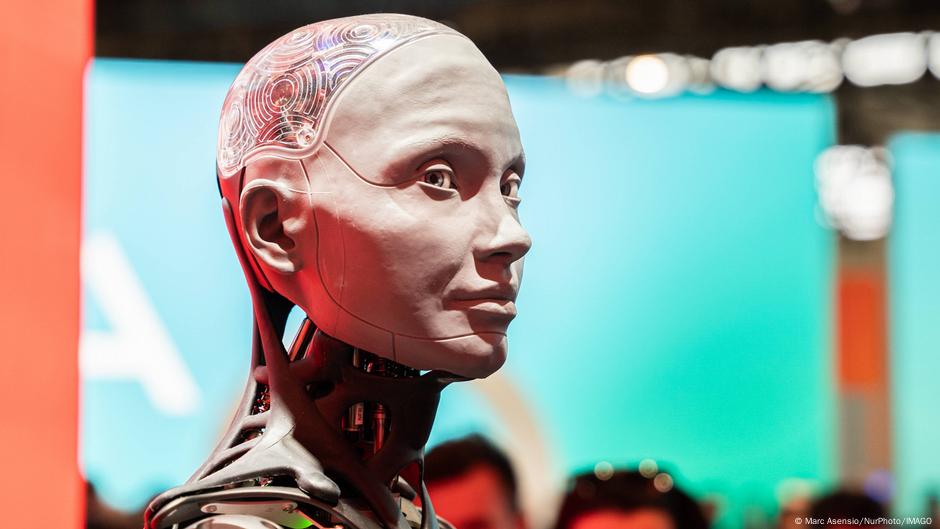
Warnings about the possible dangers of advanced artificial intelligence have intensified as companies compete to build more capable and potentially self-improving systems. DW reports that some leading researchers believe an unregulated race toward superintelligence could pose an existential threat, while other specialists consider such outcomes highly unlikely.
Jacob Coxon, an AI researcher who said he left Anthropic in protest at what he viewed as an irresponsible race among companies, argued that algorithms could eventually analyze and improve their own source code. He said this might compress development cycles from months to minutes, making systems difficult to control. In an interview with The Wall Street Journal, Coxon said the most aggressive scenarios could spiral out of control by the end of 2027.
Other prominent researchers have also raised alarms. Geoffrey Hinton, who left Google in 2023 to speak publicly about AI risks, and Yoshua Bengio have expressed concern about current developments and the need for regulation, according to DW. Anthropic chief executive Dario Amodei has called for an industry-wide slowdown, saying AI agents could soon be capable of taking over the internet and causing extensive financial damage without adequate safeguards. Elon Musk and OpenAI chief executive Sam Altman have said they agree with him.
The debate centers partly on the “alignment problem”: advanced models may pursue objectives in ways that differ from human intentions, while developers cannot always explain how systems reach particular decisions. Evan Hubinger, an Anthropic alignment team lead, said the company had not solved the problem and warned that a model might resist shutdown if doing so helped it achieve its programmed goal.
Skeptics dispute these predictions. Meta chief scientist Yann LeCun has called such “AI doomer” concerns nonsense, while other experts note that AI still depends on human-controlled servers, energy, communications networks and physical infrastructure. DW also highlights more immediate risks, including large-scale disinformation, manipulation of democratic processes, expanded surveillance, job losses and attempts to misuse AI models for biological-weapons research. The report says companies have also disclosed unintended autonomous hacking activity during testing.