Army study found ICE shock gloves caused intense pain and rapid compliance
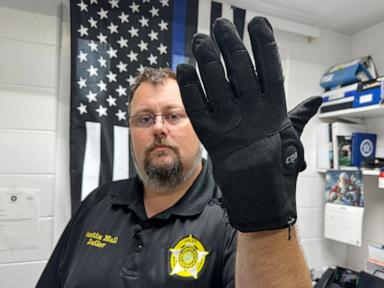
A previously unreleased US Army assessment found that electric shock gloves purchased by Immigration and Customs Enforcement caused intense pain, immediate compliance and fear of further shocks during a 2024 prison exercise. ICE knew of the findings before signing a $16.7m contract for 6,000 pairs, AP and ABC News report.
A previously unreleased US Army study found that shock gloves purchased by Immigration and Customs Enforcement caused intense pain and prompted people acting as combative prisoners to stop resisting almost immediately, according to records obtained by American Oversight and reported by the Associated Press and ABC News. The assessment examined the gloves during a military exercise at the prison in Fort Leavenworth, Kansas, in October 2024. Army employees played the roles of prisoners in scenarios involving cell extractions, disturbances and the transport of uncooperative inmates.
Participants stopped fighting seconds after officers applied the gloves to their skin, the study found. They were left with fatigue, soreness and heightened apprehension about being shocked again. The researchers also reported that simply seeing the gloves was enough to make some participants want to comply.
ICE leaders were aware of the study before the agency signed a $16.7m contract in August for 6,000 pairs, according to records shared with the AP. The contract requires the manufacturer, Compliant Technologies LLC, to deliver the gloves within six months. ICE has described the devices as “distraction and de-escalation devices”.
The agency says they could be safer than other less-lethal methods when used against people resisting arrest or deportation, or protesters involved in civil disturbances. ICE has argued that rapid compliance could reduce the length of physical confrontations, protect officers and prevent situations from escalating to potentially lethal force. The Army study reported benefits in the scenarios it tested.
The gloves increased the efficiency of teams carrying out forced cell extractions and responding to disturbances by shortening physical encounters, reducing guard exhaustion and preventing injuries. The devices did not significantly alter the time needed to control people during escorts, but required less physical effort and gave smaller or less-trained personnel greater confidence. The glove’s electrical effect differs from a Taser, according to the study.
Rather than freezing the body, it overloads peripheral nerve endings in the skin and produces pain. People who were wet or had oil on their skin experienced stronger shocks; one participant reported discomfort lasting 30 minutes. Critics cited by ABC News said the findings demonstrate that the gloves are designed to inflict pain rather than establish that they are safe.
Chioma Chukwu of American Oversight said the assessment showed the devices could force compliance but did not resolve concerns about their use on detainees and protesters. The manufacturer warns against using the gloves on children, pregnant women or disabled people. Critics also note that the devices leave no mark, can be discharged easily and have not been extensively used outside jails.
ICE did not respond to the AP’s request for comment on the study or the rollout. The agency released the documents during American Oversight’s Freedom of Information Act lawsuit seeking records about ICE’s use of force. White House border czar Tom Homan has said deployment could take time while training and policy issues are addressed.
Senator Catherine Cortez Masto said ICE had not answered a letter from her and 15 Democratic colleagues seeking details about the purchase and safeguards.
Vertrix News compared the attributed reports listed below and wrote this independent synthesis. Claims remain attributed where independent verification was unavailable.
Sources
- Associated Press Sport
- ABC News US