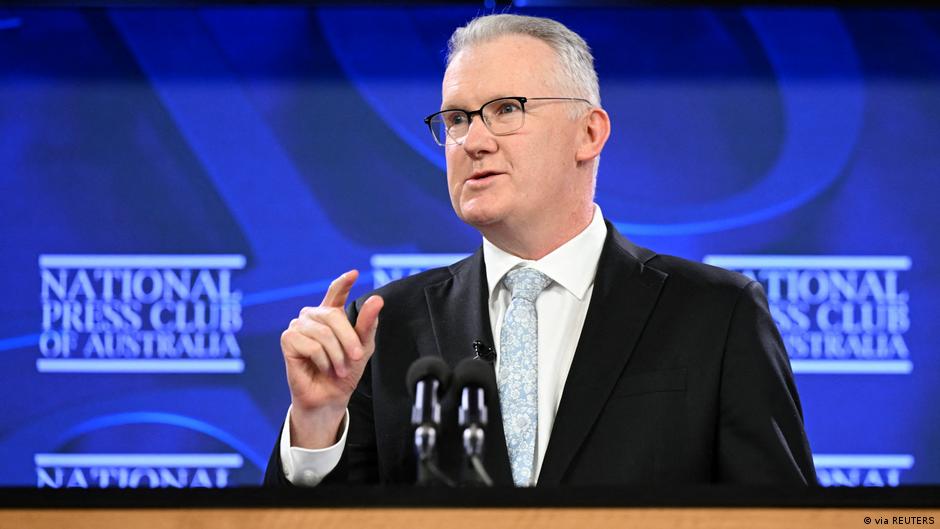
Australia is tightening rules for foreign students, backpackers and working holiday-makers as the government seeks to reduce migration and ease pressure on the housing market, Home Affairs Minister Tony Burke said Thursday.
Under the changes, international students will no longer be able to bring partners or children to join them during their studies. The government will also strengthen enforcement against people who overstay working holiday visas and target “visa hopping,” in which migrants move between temporary visa categories to extend their time in the country.
Burke said people entering Australia temporarily should apply for a temporary visa, while those seeking permanent residence should use the permanent pathway. People without a valid visa should leave the country, he said. The minister said Australia’s immigration system remained “fundamentally a strength,” but argued that migration needed to slow enough for housing supply to catch up.
The reforms are expected to reduce net annual migration from about 300,000 currently to around 225,000 by 2028, according to the source. Migration reached 538,000 in 2022 after pandemic border restrictions were lifted, while figures for the year to March showed the number had fallen to 292,100, Burke said.
International students are Australia’s largest immigrant group, with about 753,000 living in the country, most from China and India. People seeking second- or third-year working holiday visas through rural-area work will enter a ballot, while applicants with construction and housing skills will receive priority. Relatives of visa holders visiting Australia will face “no further stay” conditions.
The government will also return to tougher treatment of visa overstayers, Burke said, with people given two weeks to depart or face detention and deportation. He rejected suggestions that Labor was changing visa policy because of rising support for One Nation, which has campaigned to cut temporary migration by 750,000 over three years. Cost-of-living pressures and immigration have been among voters’ leading concerns in recent polls.