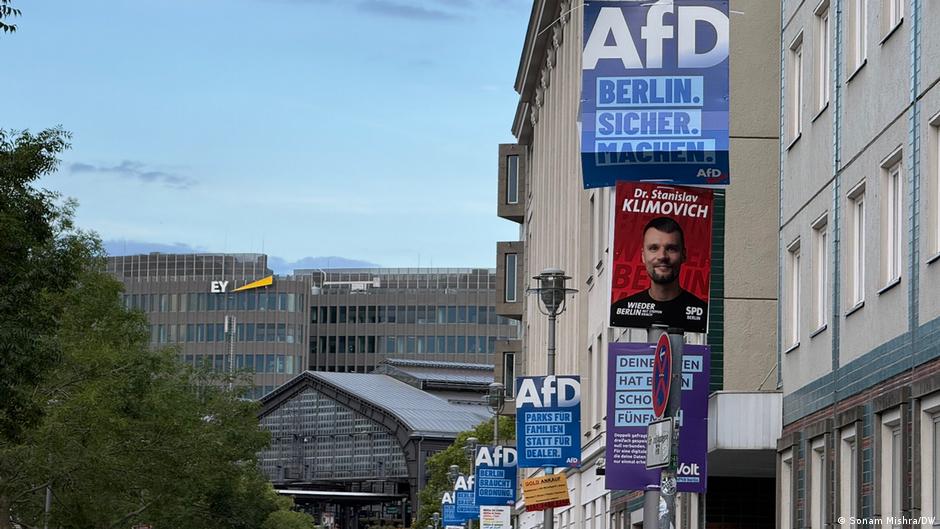
About one-quarter of Berlin’s residents are excluded from the city-state election because they do not hold German citizenship, according to DW. The figure is around 976,000 adults in a population of 3.9 million and has doubled since 2011.
The issue is particularly frustrating for residents such as Abdu Taviq, an Egyptian software developer who has lived in Berlin for seven years. Taviq told DW that he pays taxes but has no representation, while decisions including cuts to kindergartens and German courses affect him directly. He said he was dissatisfied with the current government but could not help decide whether it should remain in office.
Berlin’s election is for the state parliament rather than a municipal authority. Citizens of other European Union countries can vote in the city’s district elections, but those elections have limited political influence and do not determine the state government. The distinction leaves many foreign residents unable to vote in the more consequential contest.
Stefanie Remlinger, the Green Party mayor of Mitte, has organized a symbolic election for non-German residents. About 135,000 adults in the district lack the right to vote, and ballot stations were planned at 15 locations over two weeks in early September. Remlinger told DW that Mitte’s residents come from 170 countries and that the initiative was intended to signal that their views matter.
Remlinger expected only a few hundred people to participate and said she saw little prospect of Germany broadening voting rights for foreign nationals in the current political climate. She argued instead that making naturalization easier would provide a route to political participation. Germany permits applications after five years of residence, but citizenship rules have also been tightened, DW reported.
Naturalizations in Berlin rose to about 39,000 in 2025, up 17,000 from the previous year. Taviq said he applied for citizenship two years ago but had received no response. He was also considering leaving Germany, citing what he described as a more hostile political atmosphere and a trend toward the right among political parties.