Burnham faces economic, welfare and energy decisions after Labour conference
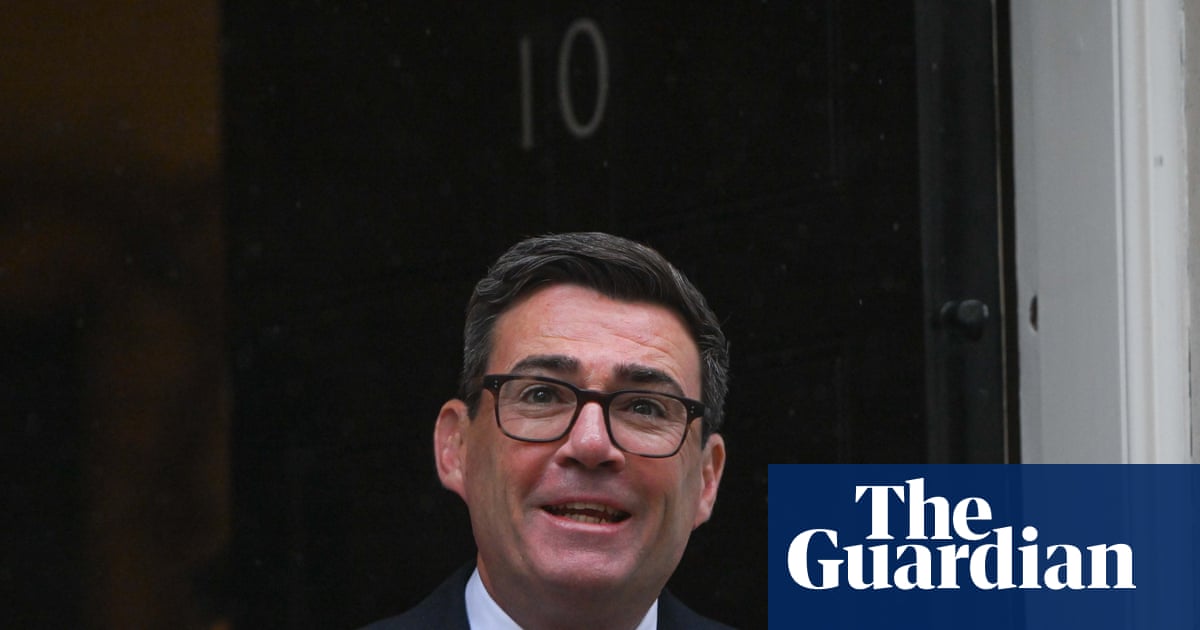
Andy Burnham’s government is expected to face difficult decisions after the Labour conference, including rising energy costs, welfare reform, North Sea drilling and the future of Thames Water. The government must also manage relations with Europe, a key by-election and the UK’s net-zero commitments.
Andy Burnham is heading into the Labour conference with improved poll ratings and a message of hope, but a series of difficult decisions is expected to confront his government from October, according to an analysis by The Guardian. The immediate pressure will come from the economic outlook. Chancellor John Healey is facing higher debt-interest payments and reduced room for manoeuvre, while the war in Iran has pushed up energy prices and wider inflation.
Major spending decisions may be delayed until a spring fiscal event. The energy price cap announcement on November 25 will be closely watched because gas costs could force a substantial increase in household bills. The government must also decide whether to extend a freeze on fuel duty.
Labour MPs have raised the possibility of wealth taxes, but manifesto commitments restrict increases in income tax, national insurance and VAT. Relations with Europe will provide another test. The UK is seeking to reduce trade barriers created by Brexit, but disputes remain over the European Union’s procurement preferences.
Talks could move forward in November, although no fixed date has been set. Labour’s ability to win back progressive voters will be tested in the October 8 Holborn and St Pancras by-election, where the party faces the Greens. A strong Labour result would indicate progress with voters who have moved to the Greens over issues including Gaza and benefit cuts.
The government must also decide whether to permit new North Sea oil and gas drilling under existing licences. Approval would prompt criticism from environmental groups, while the government will have an opportunity to explain its net-zero policy at the Cop31 climate conference in Turkey. Welfare reform and Thames Water present further challenges.
Ministers are reviewing disability benefits while trying to avoid conflict with Labour MPs and rising costs. Thames Water, carrying £20 billion in debt, could run out of money this autumn, leaving the government to consider options including nationalisation.
This independently written report is based on information supplied by the named publisher. Vertrix News has not independently verified the source report.