China and India offer contrasting approaches to using their diasporas
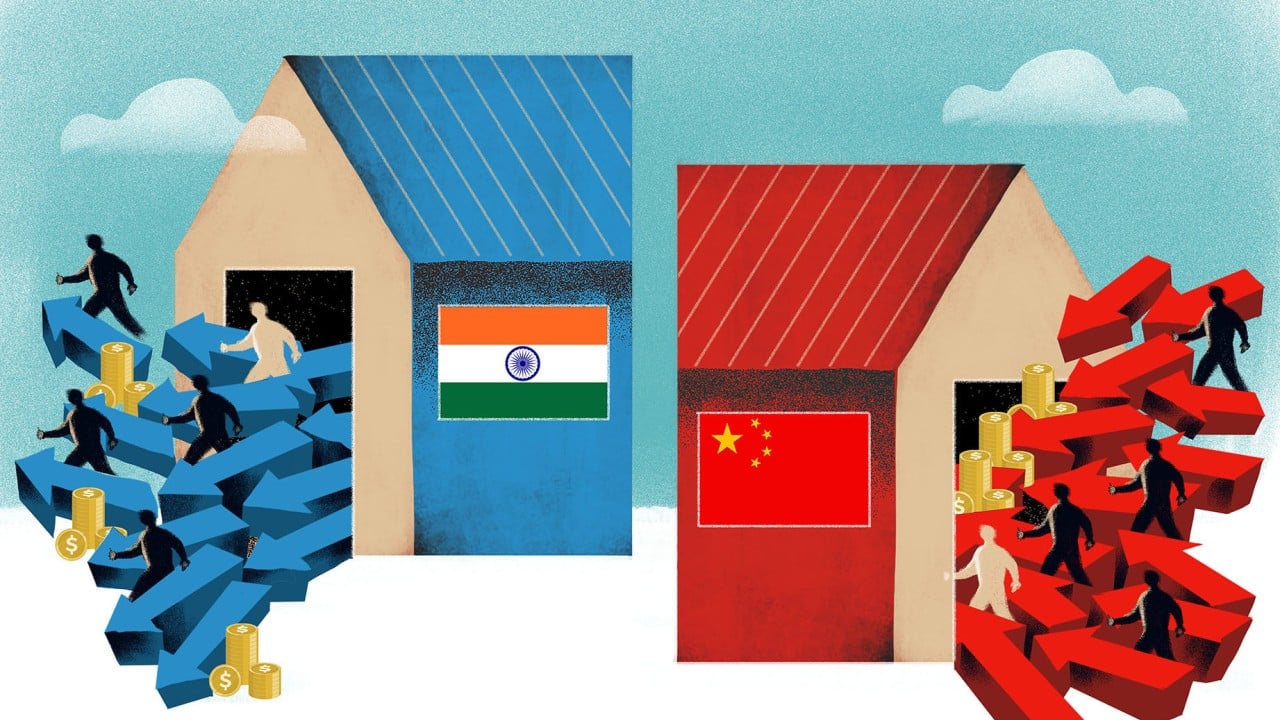
A South China Morning Post analysis compares how China and India seek to draw economic and international value from their large overseas communities. It says diasporas can support soft power, remittances, investment and expertise, while pointing to different approaches in the two countries.
China and India provide contrasting examples of how countries can use their diasporas to advance national interests, according to a South China Morning Post analysis. The article describes a diaspora as a potential source of national pride and influence. Overseas communities can promote a country’s soft power through culture and success stories, while also contributing through remittances, investment and transfers of expertise.
India and China are identified as having two of the world’s largest diasporas. The analysis says the countries have developed different models for drawing value from those communities. The supplied extract says that, before India’s economic reforms in 1991, people mostly saw those who left the country in a particular way, but it does not include the rest of that discussion.
It also does not provide comparable details of China’s policies. The article’s central comparison is therefore between two approaches to diaspora engagement, with economic progress and international influence among the potential gains. The available material does not provide figures for remittances, investment or diaspora populations.
This independently written report is based on information supplied by the named publisher. Vertrix News has not independently verified the source report.