China’s R&D spending reaches 2.8% of GDP, above OECD average
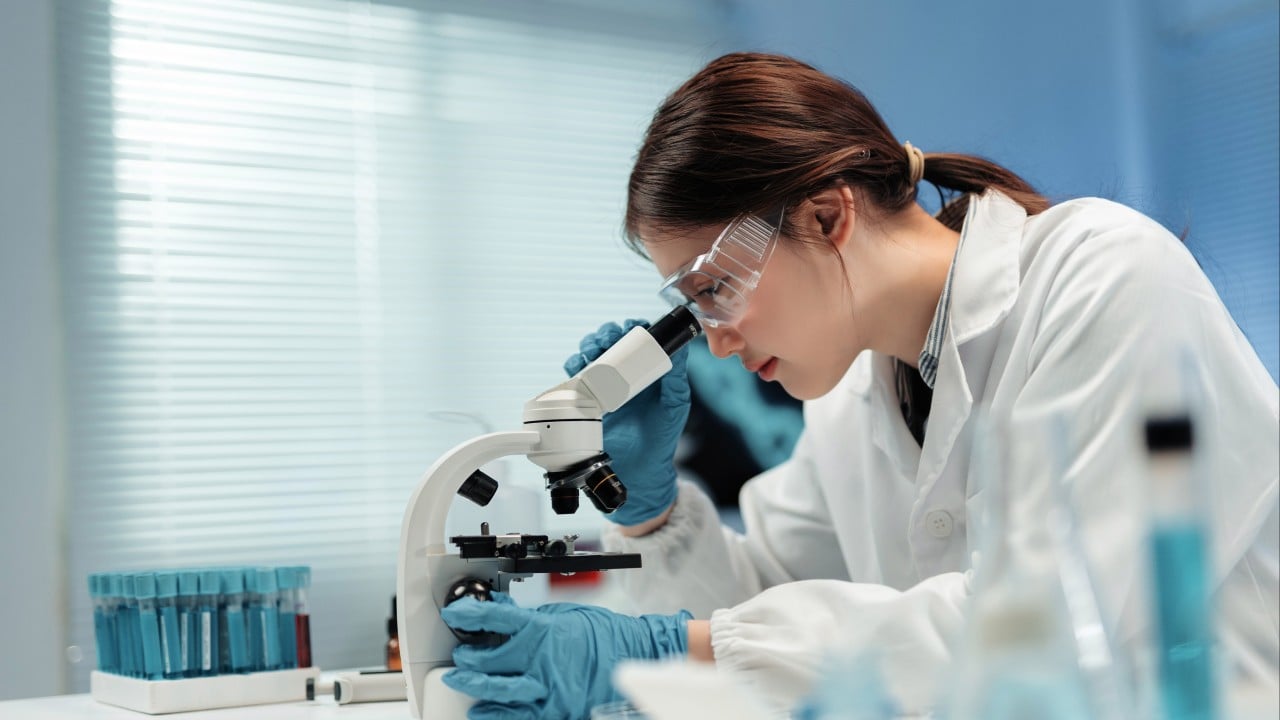
China spent more than 3.92 trillion yuan on research and development in 2025, equivalent to 2.8% of GDP and above the OECD average of 2.7%, officials said. Beijing plans to increase support for basic research and strategic fields including semiconductors, artificial intelligence, quantum technology and biotechnology.
China’s research and development spending exceeded 3.92 trillion yuan, or US$584.8bn, in 2025, taking the country’s investment to 2.8% of GDP and above the OECD average of 2.7%. Science and Technology Minister Yin Hejun announced the figures at a press conference on Tuesday, citing data from the National Bureau of Statistics. It is the first time China’s R&D share has surpassed the OECD average, according to the source material.
Wang Peng, an associate researcher at the Beijing Academy of Social Sciences, said the figure showed that China’s innovation investment had reached a level comparable with developed economies. He expects the share to continue increasing, while urging better allocation of funds and greater efficiency in turning research into industrial capability. Wang also called for a larger proportion of investment to go to basic research.
He said this would help create the foundations for original, high-risk discoveries, described as “zero-to-one” innovation, while allowing large-scale spending to produce stronger industrial results. The increase comes as Beijing pursues technological self-reliance under its latest five-year plan. The source identifies advanced chips and artificial intelligence as areas of competition with the United States, while also citing international scrutiny of China’s clean-energy, electric-vehicle and critical-mineral industries.
Yin said basic scientific research would be strengthened because it was essential to technological breakthroughs and strategic priorities, including national security. He also listed semiconductors, industrial machinery and high-end instruments among sectors where China aims to overcome bottlenecks. Additional support is planned for artificial intelligence, quantum technology, biotechnology and brain-computer interfaces.
Yin said the 15th five-year plan would be a critical period for building China into a leading science and technology power and for developing new sources of economic growth. The minister also highlighted the importance of talent and promised greater support for young researchers and interdisciplinary work. President Xi Jinping separately urged Sichuan University to use its strengths across the humanities, sciences, engineering and medicine to support national strategy.
The Education Ministry has announced plans to add 76,000 undergraduate places at leading universities between 2027 and 2030 in fields including AI, semiconductors, biomedicine and new energy.
This independently written report is based on information supplied by the named publisher. Vertrix News has not independently verified the source report.