Chinese chipmaker CXMT plans US$5.2bn expansion with domestic sourcing push
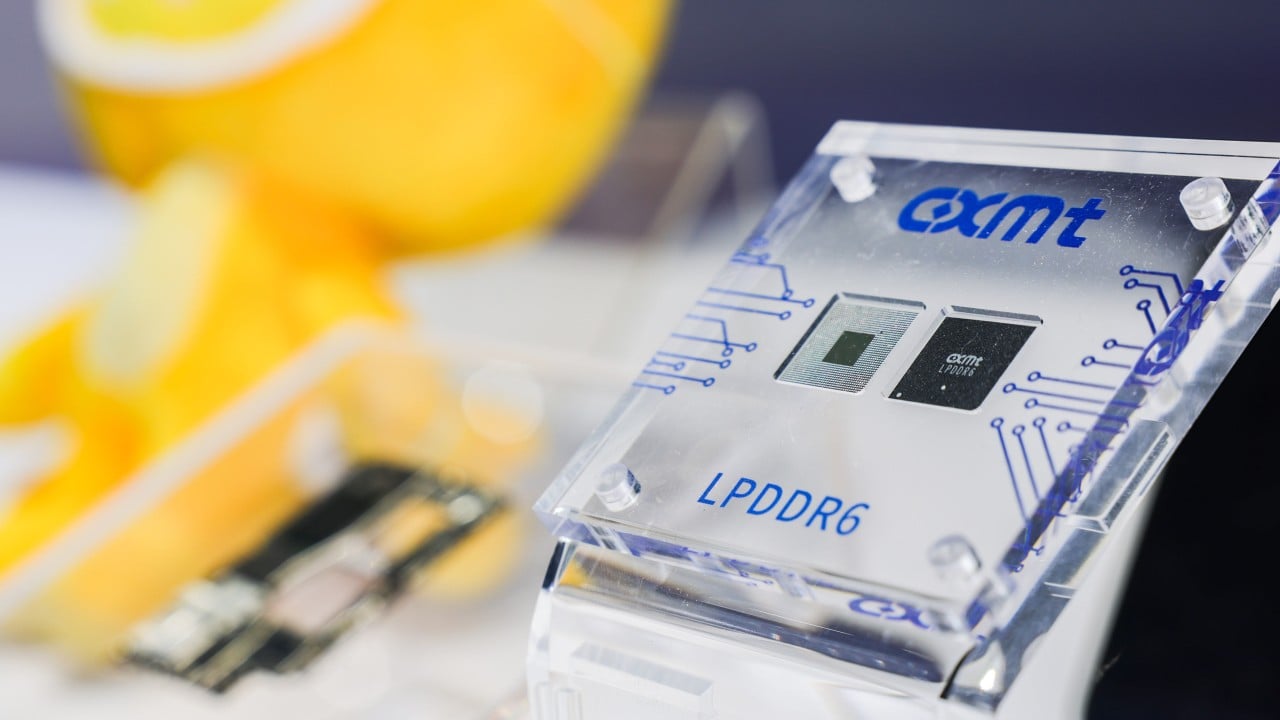
ChangXin Memory Technologies plans to invest 34.9 billion yuan in research, equipment and wafer testing as it expands its DRAM production. A source close to the company’s supply chain told the South China Morning Post that a large share of the equipment purchases is expected to go to Chinese suppliers, though CXMT has not confirmed a target.
Chinese memory-chip manufacturer ChangXin Memory Technologies plans to invest 34.9 billion yuan, or about US$5.2 billion, in expanding its production and research capacity, according to a company filing. The plan includes 24.1 billion yuan for a new technology research and development project and 10.8 billion yuan for the second phase of a wafer-testing base. The proposals remain subject to shareholder approval.
Nearly 22.4 billion yuan, equivalent to about 93% of the research project’s budget, is earmarked for equipment purchases. A person close to CXMT’s supply chain told the South China Morning Post that a large portion of the spending was expected to go to Chinese equipment suppliers. The source, who declined to be identified because the information was not public, said the company’s localisation target was “very aggressive” but did not provide a specific percentage.
CXMT declined to comment on the target or on the expected share of domestic equipment. The company intends to use 18 billion yuan from excess proceeds from its July initial public offering to fund the new projects. Its plans reflect the high cost of producing more advanced dynamic random-access memory, or DRAM, and Beijing’s effort to reduce dependence on overseas semiconductor suppliers.
Domestic sourcing may be more difficult for advanced memory production, where some critical etching, deposition, cleaning and inspection tools from foreign suppliers remain hard to replace. CXMT’s plan also includes expanding its own testing capacity to reduce reliance on external packaging and testing companies. Founded in 2016, CXMT has become China’s biggest DRAM producer.
Its products have expanded from DDR4 and LPDDR4X to DDR5 and LPDDR5. The company has also announced mass production of LPDDR6 chips and said its fifth-generation G5 manufacturing platform had entered mass production.
This independently written report is based on information supplied by the named publisher. Vertrix News has not independently verified the source report.