Citi sees further falls in China’s long-term bond yields
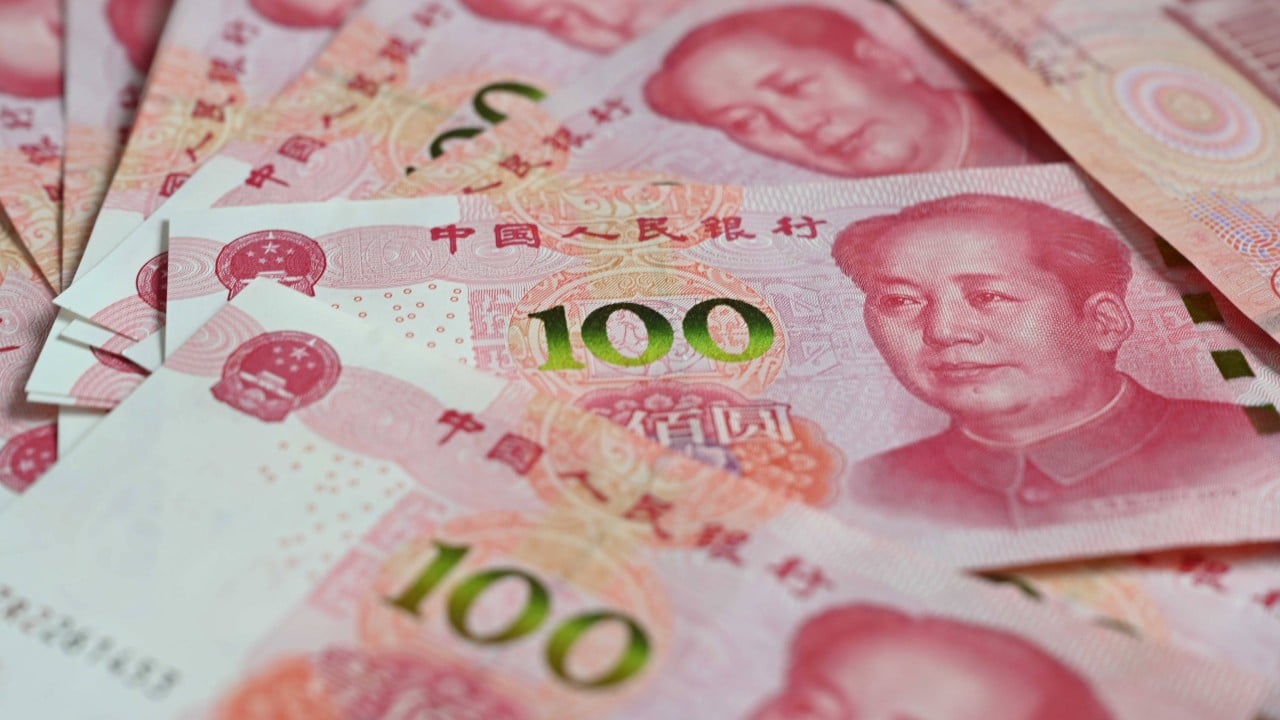
Citi Research has recommended buying China’s 30-year government bonds, forecasting that their yield could fall towards 1.8 per cent even as US Treasury yields rise. Analysts cited easing supply pressures, weak credit demand, central-bank purchases and a planned financial-sector recapitalisation as sources of support, while warning of policy risks.
Citi Research has turned bullish on China’s 30-year government bonds, forecasting that their yields could fall further even as US Treasury yields rise. In a research note issued on Monday, analysts recommended that investors take long positions in China’s 30-year sovereign debt. They projected that the yield could move towards 1.8 per cent, while the 10-year yield could approach 1.6 per cent.
The analysts attributed the outlook to easing supply pressures and improving market conditions for ultra-long government bonds ahead of the fourth quarter. Rohit Garg, Citi’s Singapore-based head of EM Asia Rates and FX Strategy, said Beijing’s recently announced 360 billion yuan recapitalisation plan for major financial institutions could increase demand for longer-duration assets. The yield on China’s 30-year special treasury bond fell to a daily low of 2.11 per cent on Tuesday.
The 10-year government bond traded at 1.68 per cent, near a one-year low. Beijing announced the capital injection into eight state-owned financial institutions in early September. The Ministry of Finance is providing 300 billion yuan, while the state tobacco monopoly is providing 60 billion yuan.
Citi said weak credit demand was limiting upward pressure on 10-year yields. Continued purchases by the People’s Bank of China were also expected to provide structural demand for government debt. China had issued 90 per cent of its planned 1.3 trillion yuan in ultra-long special treasury bonds by mid-September, with the balance likely to be issued in October.
The bank warned that tighter regulation could restrict a rally in ultra-long bonds and that aggressive policy support could trigger a sell-off. It also cited weak August credit data. New renminbi loans reached 60 billion yuan and total social financing increased by 1.66 trillion yuan, both below expectations.
This independently written report is based on information supplied by the named publisher. Vertrix News has not independently verified the source report.