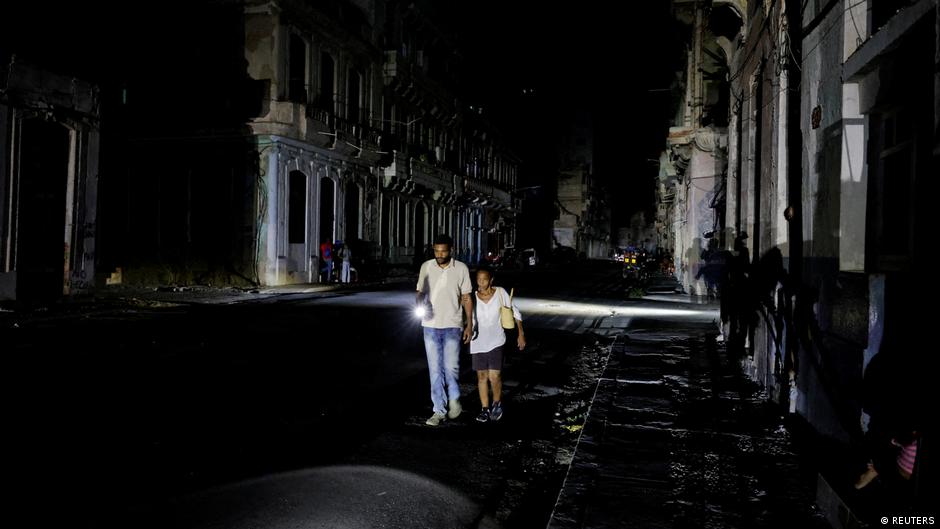
Cuba’s power grid suffered a total collapse on Friday, producing another nationwide blackout and leaving millions without electricity, according to the Energy Ministry. The ministry said on X that the system had been completely disconnected, with electricity available to only 5% of Havana at the time of its statement.
State-run utility UNE attributed the outage to a transmission-line failure and unstable weather. The blackout was the seventh reported this year and the 12th since late 2024, as the country’s fuel shortages and deteriorating infrastructure continue to strain electricity generation.
Residents told international news agencies that the disruption had affected basic services. Lidia Fernandez, 36, told AFP that shortages of water, cooking gas and electricity had become overwhelming. Blackouts lasting more than 30 hours have become common in Havana, while some provinces have experienced outages lasting more than 60 hours, according to the supplied report.
The power cuts have also disrupted telecommunications and transportation, while interruptions to electricity have affected water supplies and cooking. Cuba, which has more than 9 million residents, is simultaneously facing a deepening economic crisis. An independent study released this week estimated that 66% of the population lives in poverty, up from 45% in mid-2025, and identified rising food prices as a major factor.
Cuba’s aging power plants depend heavily on imported fuel, which has become increasingly scarce amid US restrictions imposed in January. The Cuban government says US sanctions are worsening shortages, while Washington argues that the outages reflect weaknesses in the country’s state-run economic model. The supplied material says the Trump administration tightened sanctions and introduced an oil embargo affecting fuel and replacement parts, but it gives no details on the specific measures.
Mercedes Rodriguez, 60, told AP that residents were enduring constant blackouts alongside shortages of food and water. The latest collapse adds to the pressure on a population already dealing with prolonged outages and wider economic hardship.