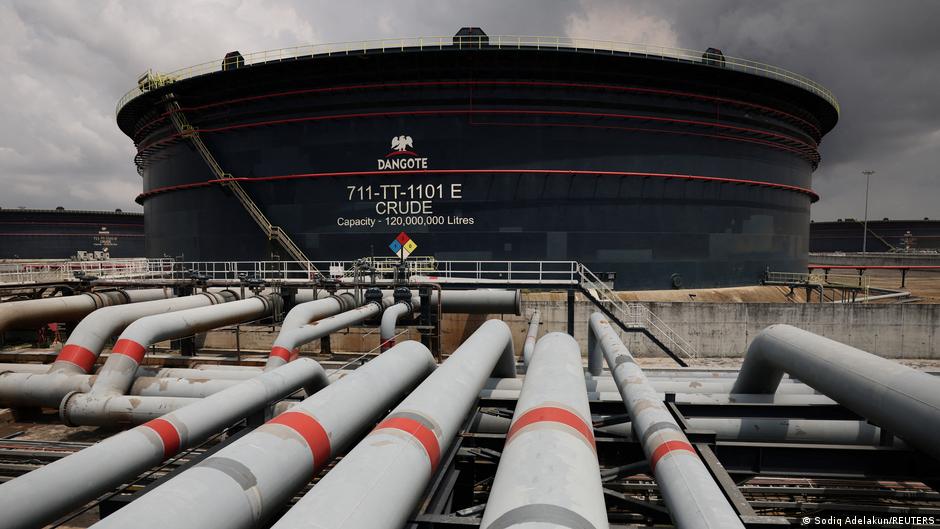
Aliko Dangote is seeking about $1.6 billion from investors through an initial public offering of Dangote Industries, according to DW. The proceeds are intended to support a $14.3 billion expansion of the company’s refinery and related facilities.
The project would more than double refining capacity, from 700,000 barrels per day to 1.4 million barrels per day. It would also add petrochemical and refining units aimed at reducing Nigeria’s reliance on imports of some products and enabling the plant to produce different grades of diesel. The expansion would make the facility one of the world’s largest single-site refining complexes, DW reported.
Dangote also plans a processing plant in Kenya in partnership with governments in eastern Africa. Since beginning operations in 2024, the Nigerian refinery has become an important supplier of petrol and other fuels domestically and abroad. DW said it reached full capacity earlier this year, helping Nigeria become a net exporter of refined fuel for the first time.
The company reported an after-tax profit of $1.82 billion in the first half of 2026, compared with a $476 million loss for all of 2025, according to the source. Energy analyst Ayodele Oni told DW that an IPO could reduce the company’s dependence on costly dollar debt by providing naira-based equity, while public listing could increase transparency and support future financing.
The offer is priced at 525 naira per share, with a minimum purchase of 10 shares. Dangote said the company wanted drivers, cooks, domestic workers and managers to have an opportunity to own part of the refinery. But DW noted that Nigeria’s National Bureau of Statistics says almost two-thirds of the population face extreme poverty, making even the minimum investment significant for many workers.
Policy analyst Charles Asiegbu told DW that the “for the people” message could broaden public identification with the refinery, turning it in the public consciousness from a private enterprise into a national asset. However, Oni cautioned that refining is cyclical and that changing conditions in the Middle East could increase competition and pressure the company’s performance.