Dimon says economic growth can help ease China-US tensions
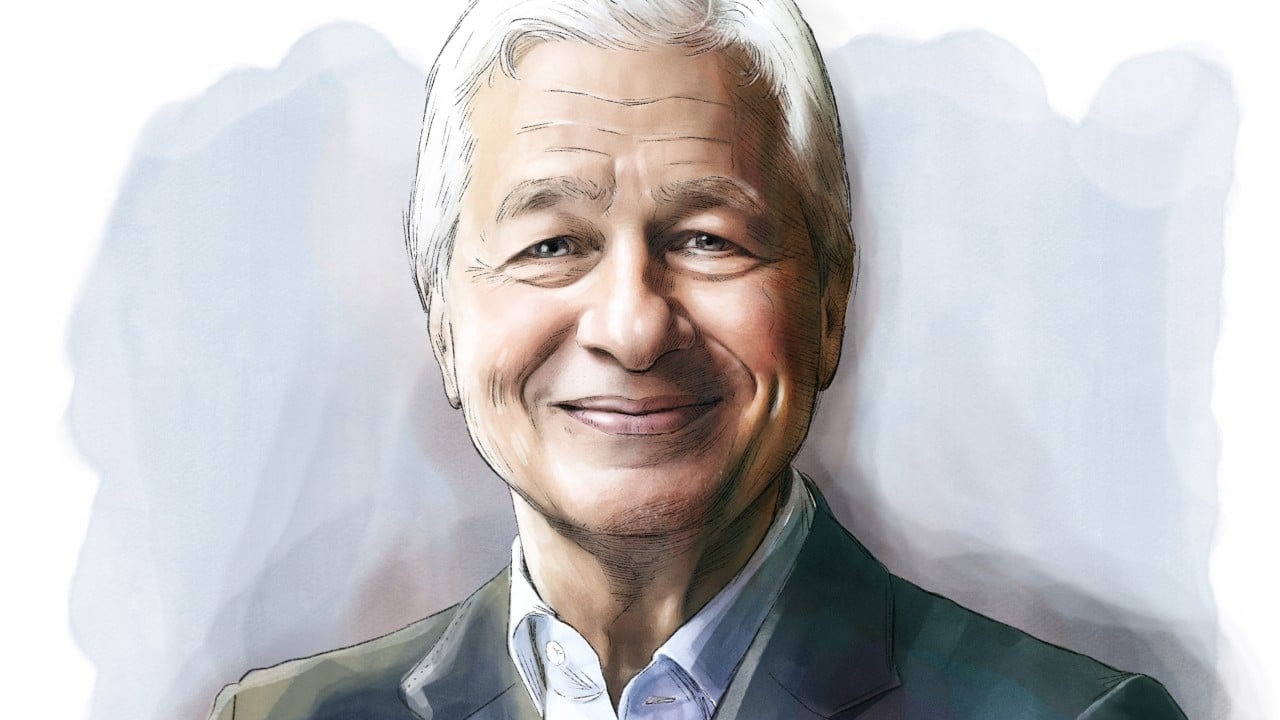
JPMorgan Chase chief executive Jamie Dimon has urged governments to prioritise economic growth and sustained engagement as they manage geopolitical risks, trade tensions and financial uncertainty. Speaking to the South China Morning Post in Hong Kong, Dimon said growth could support employment, wages and debt management while encouraging dialogue between Beijing and Washington.
JPMorgan Chase chief executive Jamie Dimon said economic growth and continued engagement could help address geopolitical tensions, including the difficult relationship between China and the United States. Speaking to the South China Morning Post during a visit to Hong Kong, Dimon said his greatest concern was geopolitics and world peace. He linked that concern to the role of economic policy and government-business cooperation in addressing global problems.
“Growth is the best antidote,” Dimon said, echoing a view he attributed to US Treasury Secretary Scott Bessent. He said governments should first address policies that inhibit growth before raising taxes or cutting spending. Growth, he added, brought greater employment and higher wages for citizens as well as benefits for businesses.
Dimon also backed regular engagement between Beijing and Washington. He said meetings at multiple levels were important because they allowed the two sides to hear each other’s positions. His comments came after JPMorgan’s New York headquarters hosted trade discussions involving Chinese Vice-Premier He Lifeng, Bessent and US Trade Representative Jamieson Greer.
The talks produced an agreement to extend a trade truce for two months, until January 10, according to the supplied material. The two countries also discussed artificial intelligence for the first time, their official statements said. Dimon warned that businesses should prepare for higher interest rates and wider credit spreads amid persistent US inflation and market uncertainty.
He said current conditions differed from the 2008 financial crisis because banks, corporations and consumers were not excessively leveraged and banks held more liquidity. He identified sovereign debt as the largest area of debt risk and said governments needed to act responsibly before a crisis forced them to do so. Dimon nevertheless described the US economy as “hugely powerful” and said it remained a permanent investment destination, while acknowledging concerns over high stock valuations, low credit spreads and market fluctuations.
This independently written report is based on information supplied by the named publisher. Vertrix News has not independently verified the source report.