Drumcree dispute revives tensions over contested Northern Ireland parade
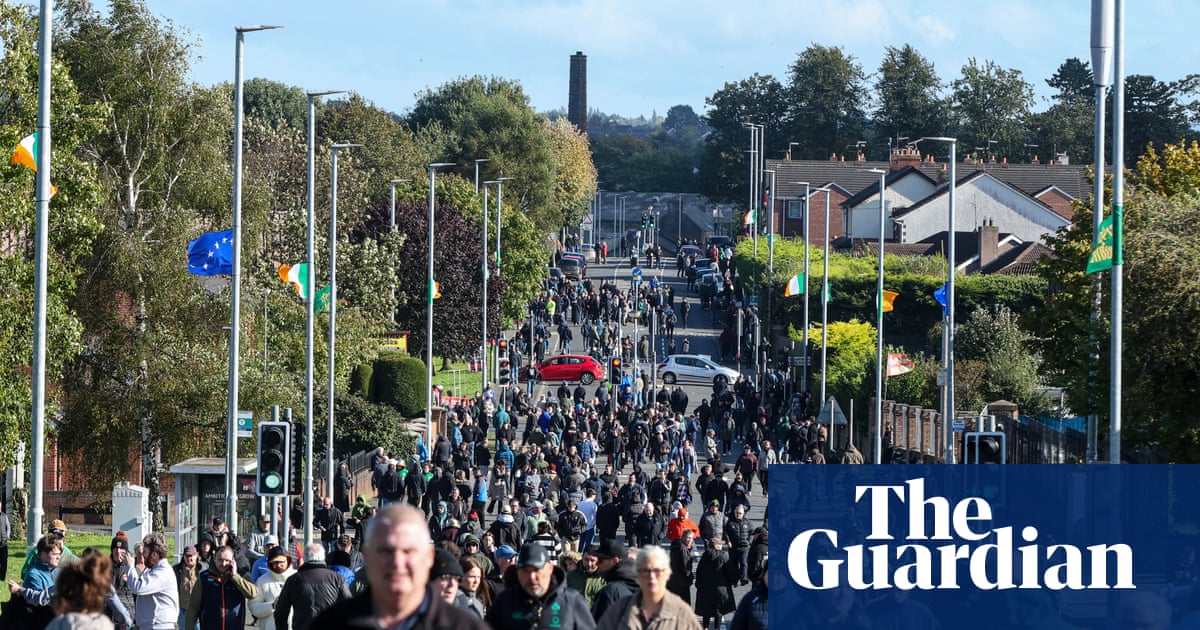
A renewed dispute over an Orange Order march along Garvaghy Road has exposed unresolved divisions in Northern Ireland, after courts issued conflicting rulings on whether the parade could proceed. Residents blocked a planned march by 35 Orangemen, while political leaders urged the standoff to be defused.
A dispute over an Orange Order march along Northern Ireland’s Garvaghy Road has revived tensions associated with the Drumcree confrontation, after a series of court rulings produced uncertainty over whether the parade could proceed. The march was opposed by residents because the road runs through a predominantly nationalist area. The latest standoff follows an August High Court ruling that overturned a Parades Commission decision blocking the procession, saying the commission had not followed its own rules and procedures.
That ruling allowed the Orange Order to submit a new application with the required 28 days’ notice. Residents opposed the application, and the issue returned to court several times. On Saturday, Justice Patricia Smyth issued an injunction blocking the commission and warned that the long-running dispute could escalate across Northern Ireland.
The injunction paused the order’s notification of the parade. However, an appeal led the High Court to rule in the early hours of Sunday that the original Parades Commission decision allowing the march had to be respected. Northern Ireland’s chief justice, Siobhan Keegan, described the earlier ruling as an error in law.
Residents, their supporters and political leaders nevertheless blocked the planned march by 35 Orangemen. They argued that a return to the route after 28 years was unacceptable. The Orange Order’s barrister described the injunction as rewriting history.
The dispute recalls the violence and killings that accompanied earlier annual confrontations over the route before the 1998 creation of the Parades Commission. The commission was established to regulate controversial marches and reduce tensions, but the Orange Order and unionist political parties opposed its creation. Northern Ireland’s political and demographic circumstances have since changed, while its power-sharing executive is described as barely functioning ahead of next year’s elections.
The report said both unionists and nationalists now accuse the other side of failing to respect legal decisions. The two governments are expected to seek a way to prevent the confrontation from widening.
This independently written report is based on information supplied by the named publisher. Vertrix News has not independently verified the source report.