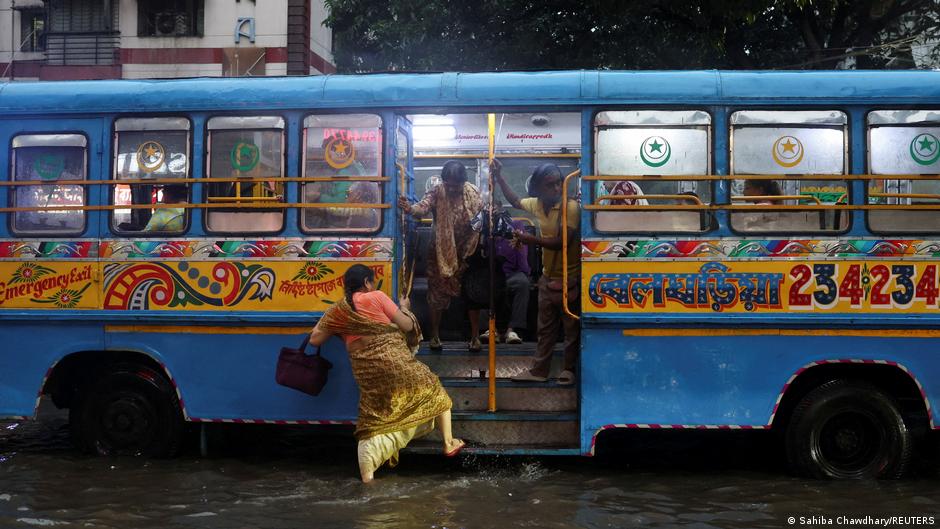
India is on course for its weakest monsoon season since 2009, as the strengthening El Niño weather pattern contributes to below-average rainfall, DW reports. The June-to-September monsoon is currently running 15% below the long-term average, according to the India Meteorological Department, as cited by local media.
The deficit is larger than the shortfall forecast in May, when the department expected rainfall to be 10% below normal. If the current gap persists, the season would be the driest since 2009, when rainfall was 18% below average.
Christian Werner of Global Weather Climate Analytics told Bloomberg that a tropical cyclone could form in the Bay of Bengal during the final week of September. Such a storm could ease rainfall shortages in eastern and northeastern India, he said, but would probably not significantly alter the nationwide picture. Werner expects the seasonal deficit to end between 13% and 16%.
The limited rainfall threatens current harvests and the next planting cycle. Rice, sugarcane and corn planting are reported to be behind last year’s pace, increasing concern about agricultural output and supplies.
The weather setback comes as food prices have risen for seven consecutive months. Inflation reached 5.95% in August, its highest level of the year, according to the Free Press Journal. The government has responded by allowing duty-free sugar imports and selling subsidized onions in some states, measures intended to reduce pressure on consumers.
The monsoon is central to India’s agriculture and water supplies, but the supplied reports do not provide a final estimate of crop losses or describe the effects across all regions. The possible late-season cyclone could bring localized relief, while the projected national rainfall deficit remains substantially below normal.