Equinox marks seasonal shift as Earth crosses the Sun’s equatorial plane
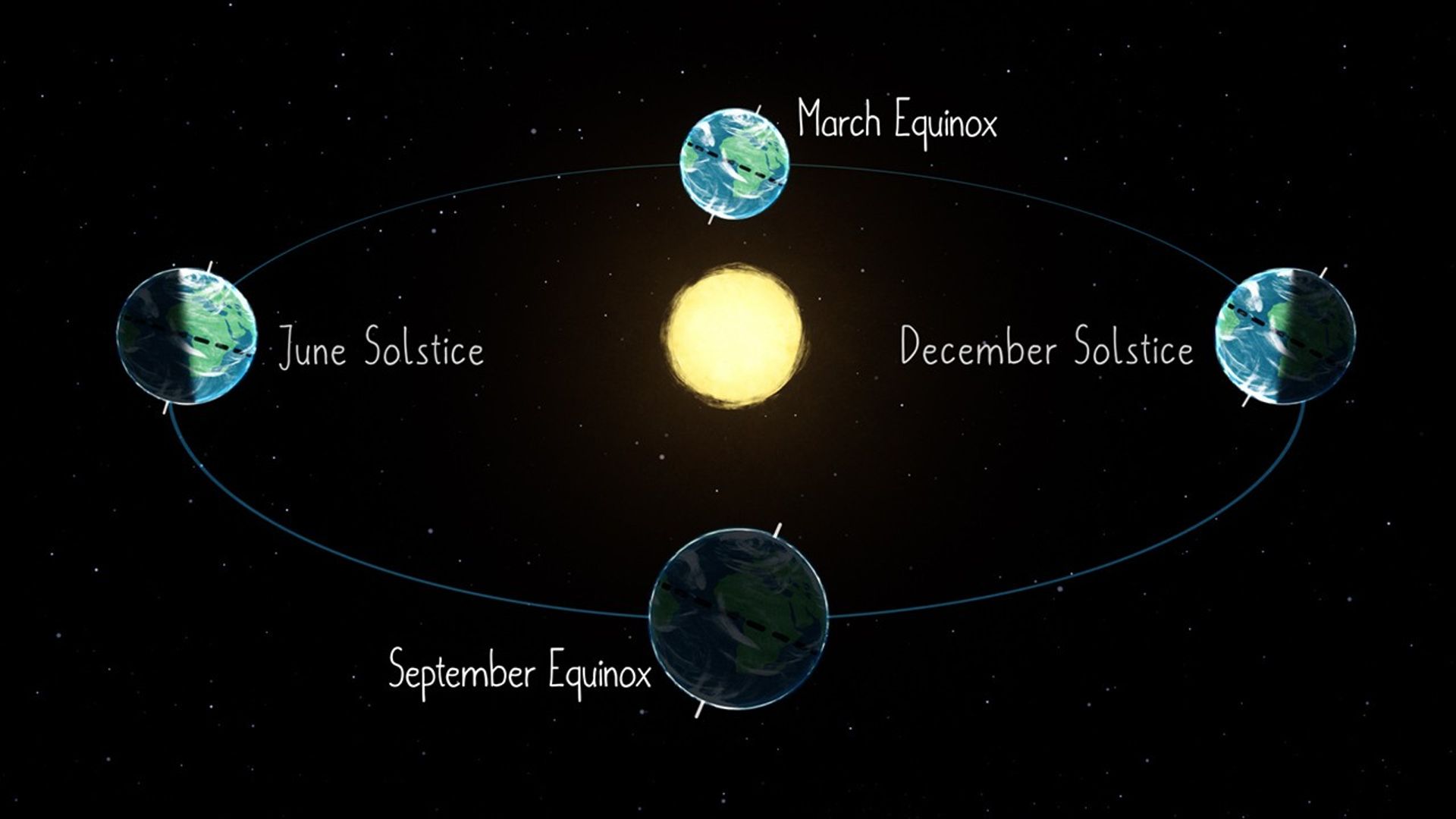
NASA explains that an equinox occurs when the centre of the Sun crosses the plane of Earth’s equator, giving the Northern and Southern Hemispheres comparable sunlight. The 2026 equinoxes fall on March 20 and September 23, although day and night are not exactly equal because of atmospheric refraction and the Sun’s size.
An equinox occurs when the centre of the Sun crosses the plane of Earth’s equator, NASA explains. The event happens twice each year, in March and September, as the Sun’s apparent path moves between the hemispheres. During an equinox, the Northern and Southern Hemispheres receive comparable sunlight.
The North and South Poles are also simultaneously lit, although the length of daylight and darkness is not exactly equal everywhere. NASA says the difference arises partly because the Sun is a disc rather than a point of light and because Earth’s atmosphere refracts sunlight. These effects add several minutes of light around sunrise and sunset, so the exact equal-day-and-night date varies with latitude.
In 2026, the March equinox occurs on March 20 at 14:46 UTC, or 7:46am EDT. The September equinox occurs on September 23 at 00:05 UTC, which is September 22 at 5:05pm PDT. The seasonal meaning reverses between hemispheres.
The March event brings longer, warmer days to the Northern Hemisphere and shorter, cooler days to the Southern Hemisphere; in September, those patterns switch.
This independently written report is based on information supplied by the named publisher. Vertrix News has not independently verified the source report.