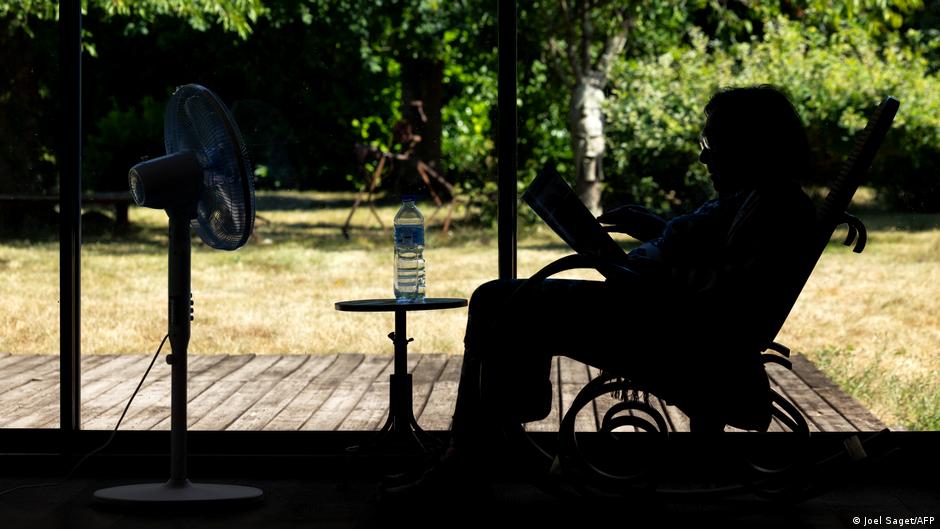
Summer 2026 was the warmest in Europe since records began, surpassing the previous record set in 2003, according to the Copernicus Climate Change Service. The June-to-August period also brought an unprecedented number of hot days in Germany, the country’s DWD weather service said.
Across Germany, temperatures reached at least 30 degrees Celsius on about 22 days on average, including approximately five days at or above 35 degrees, the DWD reported in a press release. The country experienced several periods in which average weekly temperatures exceeded 20 degrees Celsius, a level associated with increased heat-related mortality. At the end of June, the weekly average rose above 26 degrees between June 22 and 28.
At least 16,300 people were estimated to have died from heat-related causes by the end of August, according to figures cited by DW. The estimate was calculated by comparing deaths recorded by Germany’s Federal Statistical Office with temperatures measured by the DWD during a specified period. The analysis does not establish an individual cause of death, and many victims likely died after heat worsened existing health conditions rather than as a direct result of high temperatures.
Andreas Matzarakis, a professor of environmental meteorology at Freiburg University, said the danger depended not only on peak temperatures but also on the duration of hot conditions and the lack of nighttime cooling. He added that humidity, sunlight and wind affected the body’s “felt” temperature, while humid, still air could increase heat stress even at moderate temperatures.
Martin Röösli of the Swiss Tropical and Public Health Institute said people with fewer resources were particularly vulnerable because they were more likely to live in poorly insulated homes or work outdoors. Alexandra Schneider of the Helmholtz Center in Munich said the deaths were unlikely to be explained solely by the “harvesting effect,” in which highly vulnerable people die only days or weeks earlier than they otherwise would have, because mortality did not fall in the weeks that followed. She said some may otherwise have lived for months or years.