Failed Tennessee execution highlights gaps in backup procedures
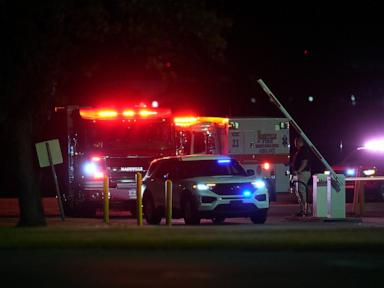
The failed lethal injection of Christa Pike in Tennessee has drawn attention to how US death-penalty states prepare for execution problems. The source material describes backup intravenous lines, additional drug doses and varying levels of public access, while noting that Pike remained alive after two doses.
The failed execution attempt involving Christa Pike in Tennessee has renewed scrutiny of the backup procedures used by US states when lethal injection does not proceed as planned. Pike survived two doses of lethal injection on Wednesday and was taken to hospital in critical condition, according to the supplied material. It says she remained alive the following day, while her prognosis was uncertain and officials had not explained what went wrong.
Tennessee’s procedure includes two intravenous lines. If the first fails, the execution team is expected to use the second. A physician may also insert a central line, which involves placing a catheter into a major blood vessel.
The state permits a second 100mg dose of pentobarbital if a condemned person remains alive five minutes after the first dose. Officials gave Pike a second dose, but it was unclear whether they used the primary or backup intravenous line. Other states use different contingency arrangements.
Alabama’s protocol permits an additional dose of its first drug if the person is not unconscious, but the source material says it does not provide additional instructions if the person remains alive after later drugs. Idaho has backup IV sites, allows a central line and permits up to three full doses of approved drug cocktails. The material also describes previous problems.
Idaho abandoned Thomas Eugene Creech’s execution in 2024 after eight attempts to place a viable IV. Tennessee called off another execution earlier this year after failing to find a suitable vein for a secondary IV line. In Arizona in 2014, Joseph Rudolph Wood received 15 injections and took almost two hours to die.
The source says execution procedures are often concealed, including IV insertion, drug procurement and the identities of execution-team members. Media access varies by state, and legal challenges continue over whether witnesses should see all critical stages of an execution.
This independently written report is based on information supplied by the named publisher. Vertrix News has not independently verified the source report.