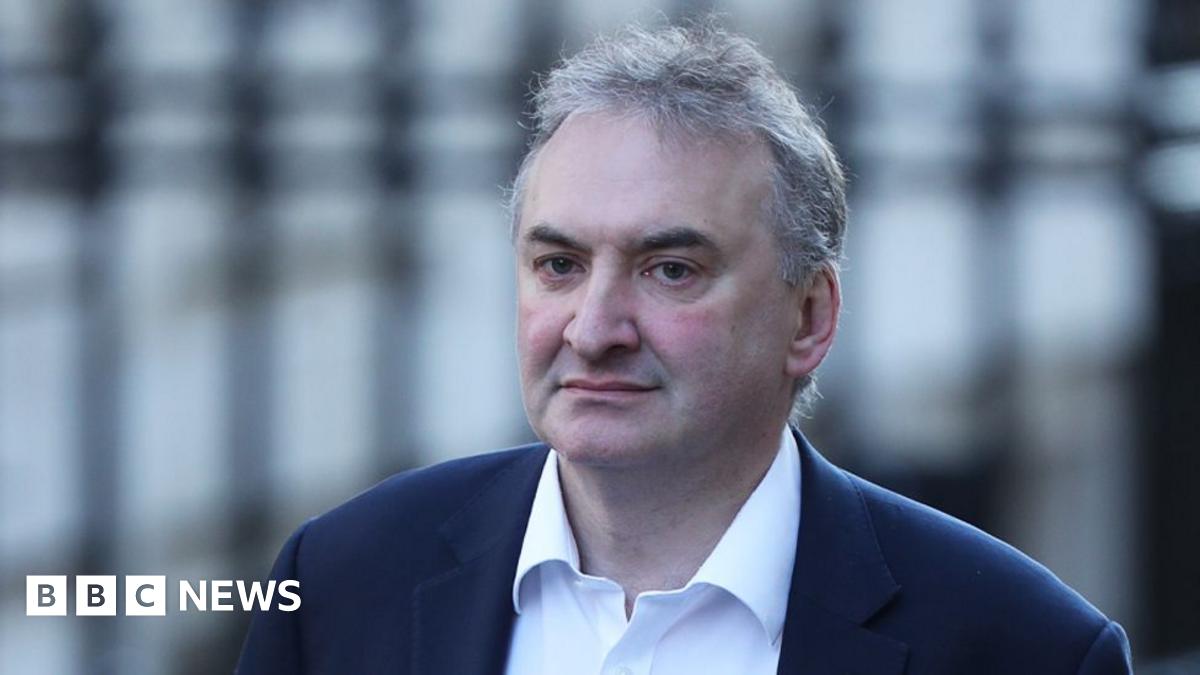
Lord Wormald received a total pay-off of nearly £860,000 after leaving his posts as cabinet secretary and head of the Civil Service in February, according to Cabinet Office accounts reported by the BBC. He had been appointed by Sir Keir Starmer about 14 months earlier and departed by “mutual agreement” following reports that Downing Street was dissatisfied with his performance.
The accounts record £332,897 in “contractual compensation” and a further £526,598 in “additional severance”. They say Sir Keir authorised a “special severance package” on 16 February. The Cabinet Office said it did not comment on human resources matters, but confirmed that its permanent secretary received a ministerial direction from the then prime minister to proceed with the payment.
According to a note in the accounts, Lord Wormald chose to take his pension early. The majority of the severance payment was used to allow him to receive the full value of the pension that would have been payable at normal retirement age, rather than having it reduced because it was paid early. The BBC also understands that the sum partly covered pension contributions and a mandatory waiting period after his departure.
That waiting period reflected his access as cabinet secretary to sensitive information involving national security, foreign policy and the economy. His salary for the period from 1 April 2025 to 13 February was between £210,000 and £215,000, taking his total remuneration for the year to more than £1m, the accounts show.
Lord Wormald became the shortest-serving cabinet secretary in the history of the post and was replaced by Dame Antonia Romeo. He had been expected to oversee what Sir Keir described at the time of his appointment as the “complete re-wiring” of the state. The BBC said Lord Wormald and Sir Keir had been approached for comment.
Conservative shadow Cabinet Office minister Alex Burghart described the payment as an “appalling waste of taxpayers’ money” and criticised the circumstances of Lord Wormald’s departure. The FDA union, which represents senior civil servants, had previously objected to what it called anonymous briefings against Lord Wormald and described his treatment as a new low in the government’s relationship with the Civil Service.