Eight people in the vicinity of Frankfurt Airport have contracted malaria since July, with three deaths reported, according to the supplied source. Most of those affected are employees of airport operator Fraport. The Frankfurt Public Health Department believes the infections are linked to so-called airport malaria rather than to a broader, newly established disease pattern in Germany.
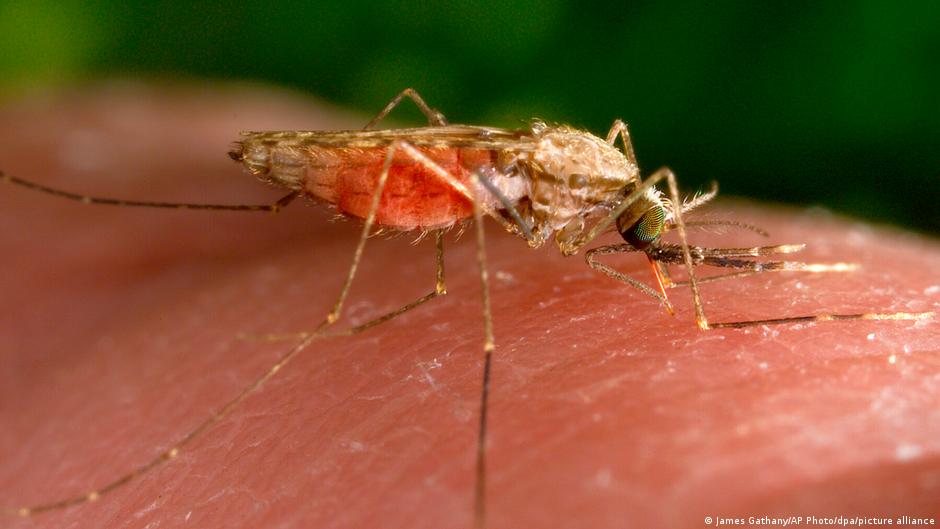
Airport malaria can occur when an infected female Anopheles mosquito arrives by aircraft from a region where malaria is common. The mosquito may be carried in luggage or clothing and, under suitable conditions, survive in warmer parts of an airport before biting someone. Achim Hörauf, director of the Institute for Medical Microbiology, Immunology and Parasitology at Bonn University Hospital, described the incident as “a very rare occurrence.”
The infections involve malaria tropica, the most dangerous form of the disease, according to a press release from the hospital. It is caused by the Plasmodium falciparum parasite, which can obstruct small blood vessels and cause serious complications, including fluid in the lungs, neurological damage or acute kidney failure. The source says about 20% of cases can be fatal if untreated.
Early symptoms can resemble influenza and include sudden fever, chills, headache and muscle pain. Nausea, vomiting and diarrhea may also occur. The Frankfurt Public Health Department has advised people living or working near the airport to seek medical attention promptly if they develop such symptoms. Rapid tests can detect malaria in blood, while confirmation requires further blood testing; the Robert Koch Institute says treatment should be provided at a hospital with tropical-medicine expertise.
The source says cooler autumn temperatures, especially at night, create less favorable conditions for mosquitoes and malaria parasites. However, further cases cannot be ruled out because Plasmodium falciparum has an incubation period of seven to 15 days. Hörauf said a key challenge is ensuring that doctors and patients consider malaria even when the affected person has not traveled abroad. The last documented German case of airport malaria before the current outbreak was recorded in 2023, according to the Robert Koch Institute’s Epidemiologisches Bulletin.