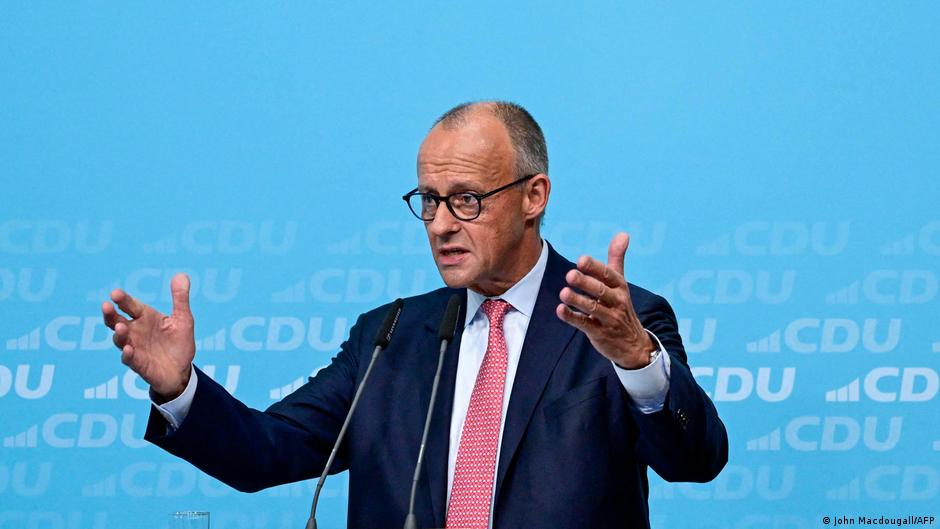
Polling stations opened in Berlin and Mecklenburg-Western Pomerania as voters cast ballots in elections expected to carry consequences beyond the two states. DW reported that the contests are being watched closely because of the AfD’s strength and the pressure facing Chancellor Friedrich Merz and his Christian Democratic Union (CDU).
In Mecklenburg-Western Pomerania, the Social Democratic Party (SPD), led by incumbent state premier Manuela Schwesig, is competing closely with the far-right Alternative for Germany (AfD). The party was polling at about 37%, ahead of the SPD on 33%, according to the supplied DW coverage. Schwesig told DW that the AfD would harm the economy and social cohesion, and accused it of using hate and incitement.
The CDU’s performance is another central focus. DW said the party was polling at about 7%, only slightly above the 5% threshold needed to enter the state parliament, compared with 13.3% in the 2021 election. A failure to clear the threshold would, according to the report, increase pressure on Merz’s position as national chancellor.
Even an AfD victory would not necessarily allow it to form a government. Under Germany’s parliamentary system, a party needs a majority or coalition partners to elect a state premier. Other parties could exclude the AfD from governing under the so-called “firewall” policy if they reject cooperation with it.
In Berlin, the CDU and the Left Party were described as tied in polling, while the AfD was consistently in third place. Housing is the leading concern in the capital, where 85% of residents rent their homes, advertised rents have doubled since 2014 and the city is projected to need 211,000 additional homes by 2040. The Left Party is the only major party identified by DW as supporting action on a 2021 referendum about taking apartments from the largest landlords.
DW said Merz’s national approval rating had fallen as low as 14%, while the AfD had reached 27-29% nationally in recent polls. Merz said he intended to remain in office and lead his coalition with the SPD, but a YouGov survey cited by DW found that about half of Germans did not expect him to remain chancellor through the end of the year.