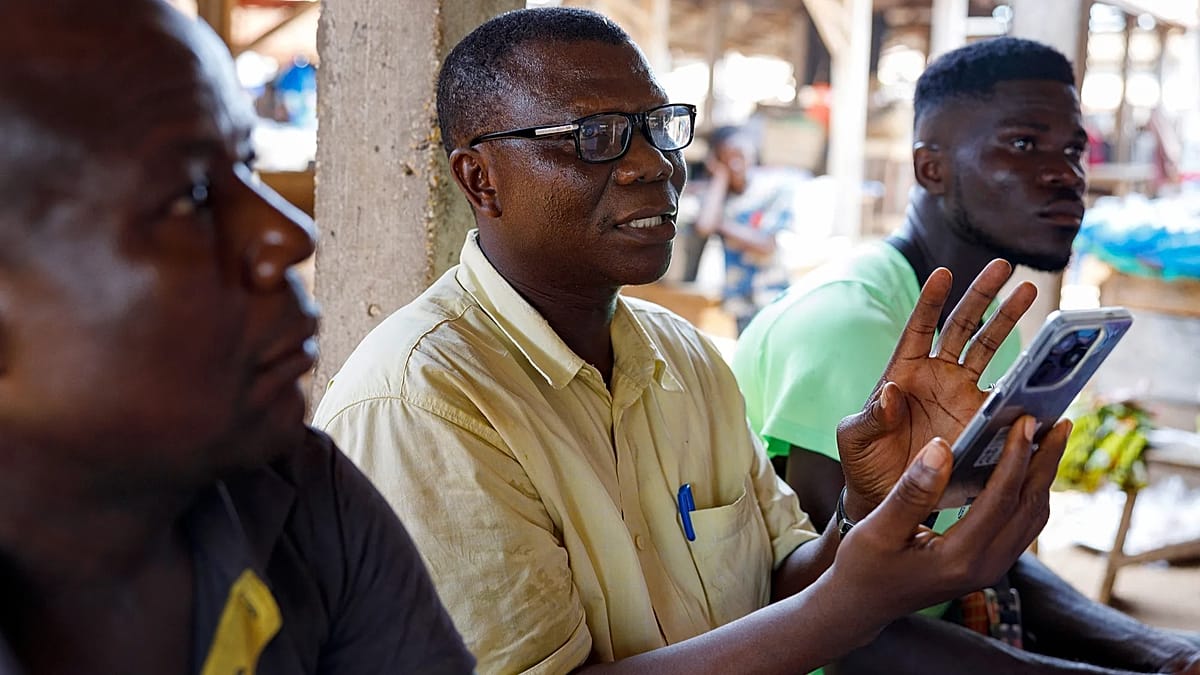
The GSMA is calling for urgent action to make smartphones more affordable in low- and middle-income countries, warning that rising device costs could prevent billions of people from participating in the next phase of the digital economy. The appeal was made as the telecoms industry body published its State of Mobile Internet Connectivity Report 2026.
According to the report, 4.8 billion people now use mobile internet on their own device, while 3.4 billion do not. About 90% of those who remain offline live within mobile broadband coverage, a situation the GSMA describes as the “usage gap”. Growth in the global digital population also slowed, with about 160 million people coming online in 2025, compared with 190 million in 2024.
GSMA Director General Vivek Badrinath said artificial intelligence could improve lives on an unprecedented scale, but would have limited meaning for people unable to get online. He said the principal risk was not only a divide between countries, but also between people able to afford participation in the digital economy and those who could not.
The report identifies a sharp increase in the cost of smartphone memory and chipsets as a major factor behind worsening digital inequality. The GSMA attributes the increase to global demand linked to AI infrastructure and data centres. It said memory prices more than doubled between the third quarter of 2025 and the first quarter of 2026, followed by a further increase of 80% to 90% during the second quarter.
These costs are being passed on to consumers, the organisation said, making entry-level phones unaffordable for many. By the end of 2025, such devices cost the poorest 20% of people in low- and middle-income countries as much as 44% of their average monthly income, rising to as much as 76% in sub-Saharan Africa. The GSMA expects prices to continue rising and says emerging markets are most vulnerable to a resulting decline in smartphone shipments.
The organisation is urging manufacturers to reduce the price of entry-level smartphones to $30, which it says could make devices affordable for nearly 1.6 billion people. A $20 price point could reach about 2.2 billion people living within mobile broadband coverage, according to the GSMA. It also wants chipset and memory manufacturers to increase the supply of affordable components and recommends action on literacy, digital skills, online safety and relevant content.