Hong Kong plans pilot scheme for specialist foreign carers
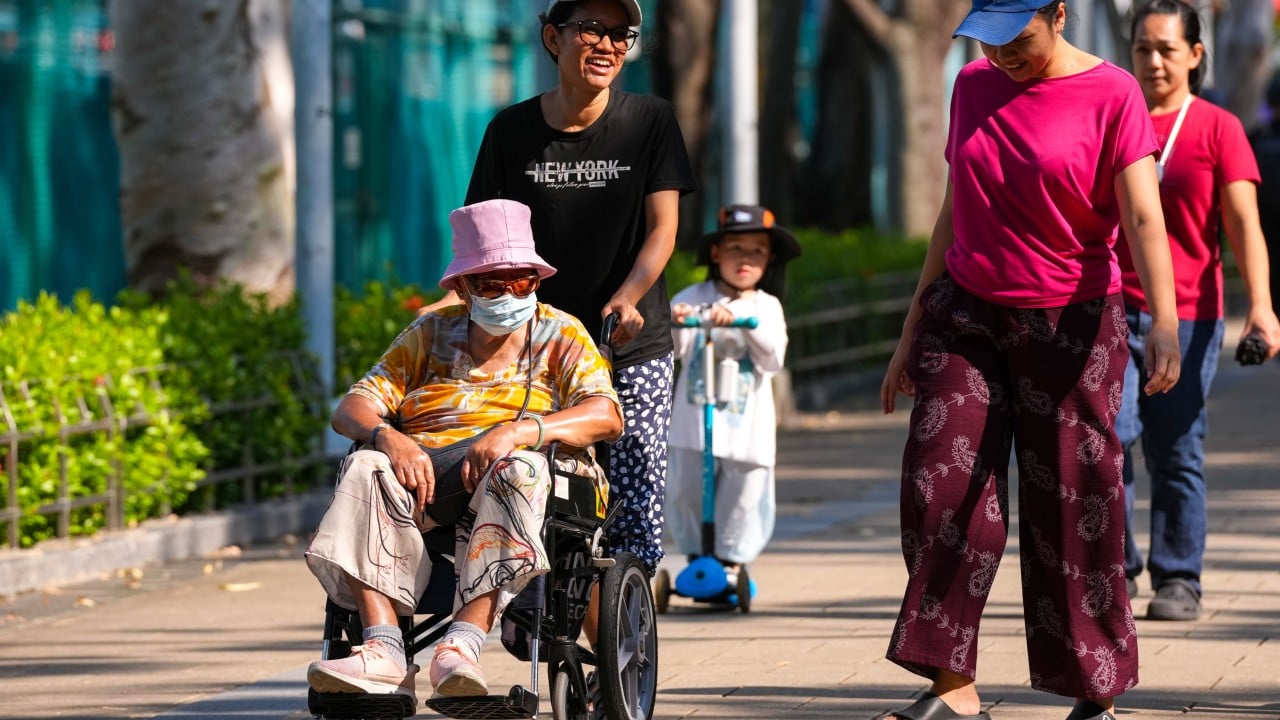
Hong Kong plans to bring in hundreds of foreign domestic carers from the second half of 2027 under a pilot scheme, the labour minister said. Applicants would complete 150 hours of training before arrival, earn up to 20 per cent more than domestic helpers and still perform household duties.
Hong Kong plans to begin importing hundreds of foreign domestic carers as early as the second half of 2027 under a pilot scheme, the city’s labour minister has said. Secretary for Labour and Welfare Chris Sun Yuk-han said the workers would have specialised elderly-care skills as well as general domestic capabilities. They would need to complete a 150-hour course in their home country before arriving.
Sun said authorities were seeking a professional organisation in Hong Kong to ensure participants completed the training and were properly equipped for their duties. The course would be designed and accredited by authorised professional bodies recognised by the government. The carers would still be expected to perform housework.
Their pay would be set at 10 to 20 per cent above that of general foreign domestic helpers, with a similar pay-scale mechanism. Hong Kong has about 380,000 foreign domestic helpers, mainly from the Philippines and Indonesia. The government has sponsored about 1,000 of these workers to take a 10-hour course in first aid and basic elderly care, but the proposed programme would provide more advanced training.
The announcement comes as the city faces a growing elderly population. Official statistics cited in the material show that 1.98 million people, or 26 per cent of the population, are aged 65 or above. That share is projected to reach 36 per cent, or 2.95 million people, by 2046.
The government has separately raised the minimum wage for domestic workers by 2.35 per cent to HK$5,220 a month for contracts signed from Saturday. Employers must provide free food or pay a monthly food allowance of HK$1,236. Sun also said authorities would consider publicly built care homes run by private operators.
He said subsidised services would remain the main provision in mainly low-income communities, while middle-class areas could have more market-based options. A survey by Suicide Prevention Services found that 37 per cent of 942 carers polled reported high stress.
This independently written report is based on information supplied by the named publisher. Vertrix News has not independently verified the source report.