Hong Kong’s political role examined amid US-China silence
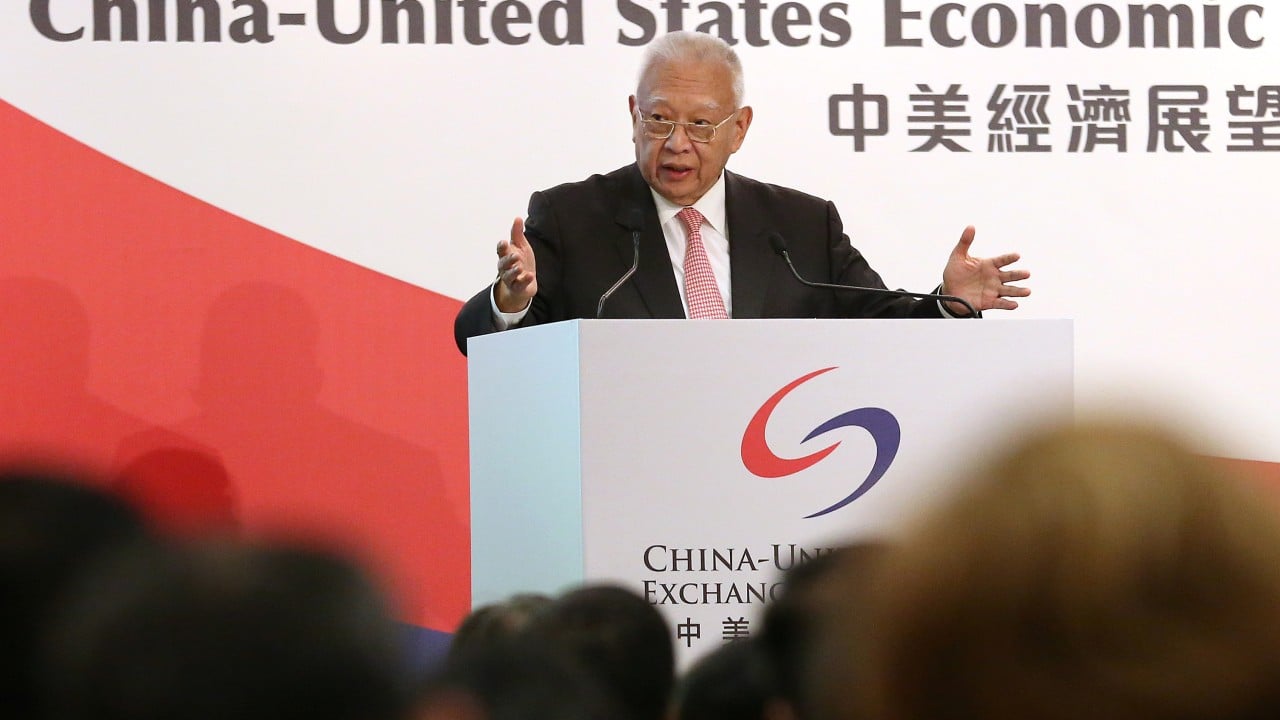
A South China Morning Post analysis considers how Hong Kong might sustain dialogue when US-China officials are not speaking, using former leader Tung Chee-hwa’s political legacy as part of its discussion. The supplied extract recalls his postcolonial leadership and advisory role but does not state a proposed mechanism.
A South China Morning Post analysis examines how Hong Kong could keep communication going when officials from the United States and China are not talking. The supplied extract begins with the death of Tung Chee-hwa, Hong Kong’s first postcolonial chief executive. It notes that obituaries focused on his background as a shipping businessman and on major events during his administration.
Those events included the Asian financial crisis, the severe acute respiratory syndrome epidemic and the retreat from Article 23, according to the extract. The article says less attention was paid to the political hybrid Tung represented. It notes that he served as vice-chairman of China’s top political advisory body, the Chinese People’s Political Consultative Conference.
The material suggests that Tung’s combination of Hong Kong leadership and a role within China’s political advisory system is relevant to the article’s wider discussion. However, the supplied extract does not state what specific role Hong Kong should play, identify current US or Chinese officials, or describe a proposed channel for dialogue. It therefore provides the analysis’s central subject and political framing, but not its full argument or conclusions.
This independently written report is based on information supplied by the named publisher. Vertrix News has not independently verified the source report.