Hongzhi remembered as China’s sole monogamous emperor
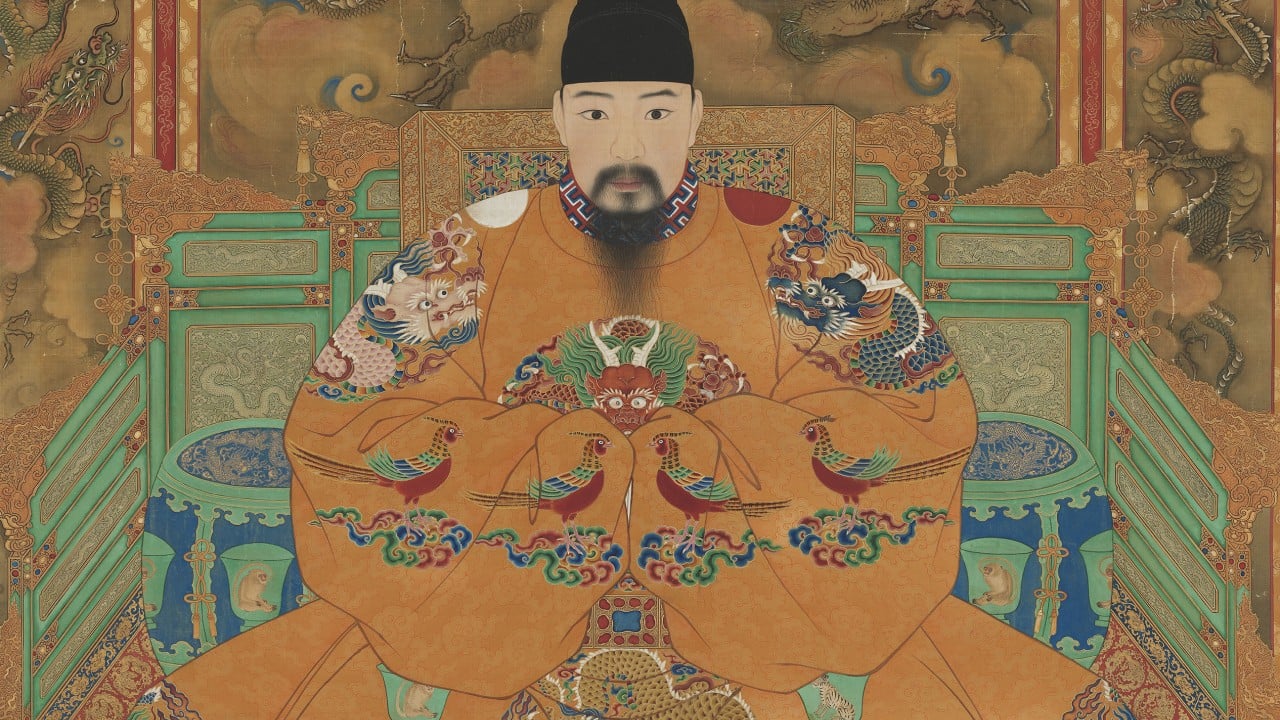
The Ming-era Hongzhi Emperor is described as the only Chinese emperor to reject a harem and remain devoted to one empress. Historical accounts link his unusual choice to a childhood shaped by palace intrigue, the threat to his mother and the influence of Confucian ideas about marriage.
The Hongzhi Emperor, who ruled China from 1487 to 1505, is remembered as an unusual figure in imperial history for rejecting the established concubine system and remaining devoted to his wife, Empress Zhang. According to the supplied historical account, Ming emperors could have thousands of consorts, with the system ostensibly intended to secure an heir. Hongzhi, however, appears not to have maintained a systematic harem or engaged in affairs during his life.
Historians suggest that his decision reflected both personal affection and experiences during a dangerous childhood. Hongzhi was born to a low-ranking palace woman surnamed Ji, placing him at risk amid rivalry within the imperial household. His father’s favoured consort, surnamed Wan, was described as determined to eliminate potential threats to her position, including possible heirs and their mothers.
Loyal servants therefore raised the future emperor in the servants’ quarters for six years. Hongzhi developed a close bond with his mother during that period. His father, the Chenghua Emperor, was unaware of his existence for five years, but proclaimed him heir after discovering him.
His mother died under suspicious circumstances soon afterwards, according to the account. The source says this family history, together with his affection for his wife, may have influenced Hongzhi’s rejection of concubines. His commitment was also associated with Confucian ideas that emphasised the importance of marriage.
His personal loyalty did not prevent members of his wider family from attracting criticism. Two brothers-in-law held powerful positions and were accused of corruption and exploiting their influence, damaging the reputation of an otherwise respected ruler. Hongzhi became ill and died in 1505.
His legacy is presented as combining effective rule with an unusual adherence to the marital and Confucian values he appeared to uphold.
This independently written report is based on information supplied by the named publisher. Vertrix News has not independently verified the source report.