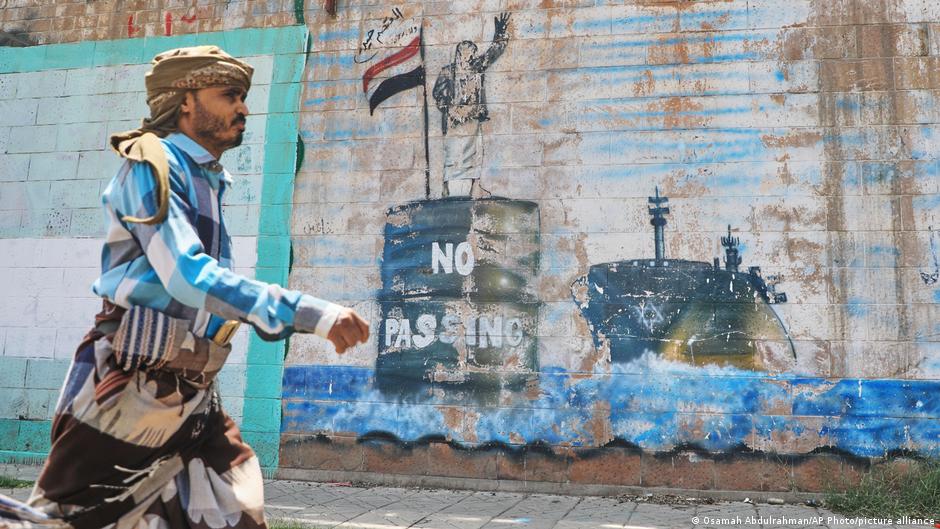
Iran-backed Houthi rebels on Monday announced that they had captured Greater and Lesser Hanish islands in the southern Red Sea, according to DW. The islands’ strategic position could strengthen the group’s ability to disrupt shipping near Bab el-Mandab, an important route linking the Red Sea with the Gulf of Aden.
The announcement follows the Houthis’ reported seizure last week of Mayun Island and the Red Sea port of Mokha. The group has also declared a maritime blockade on Saudi Arabia, placing additional pressure on Saudi oil shipments after the Strait of Hormuz was closed, according to the source.
DW reported that Saudi-backed Yemeni forces were attempting to recover territory near Bab el-Mandab. Saudi Arabia had been using the passage as an alternative route for oil exports after the closure of Hormuz, through which roughly one-fifth of global oil supplies passed before the conflict described by the source. The disruption has contributed to higher energy and transport concerns worldwide, DW said.
The Houthis also launched missile and drone attacks on Saudi military targets on Monday. A group spokesman said the strikes caused “significant damage” and were retaliation for more than 300 Saudi airstrikes in Yemen over five days. That account was presented by the Houthis and was not independently confirmed in the supplied material.
The renewed fighting has revived Yemen’s civil war, which began in 2014 when the Houthis seized large parts of the north, including the capital, Sanaa. Saudi Arabia led a coalition supporting Yemen’s internationally recognized government from 2015. Iran has denied involvement in the conflict, with Foreign Ministry spokesman Esmaeil Baqaei describing the Houthis as independent actors.
US Central Command chief Admiral Brad Cooper met Saudi Crown Prince Mohammed bin Salman in Jeddah to discuss regional developments, DW reported. China’s Foreign Ministry separately called attacks on Saudi energy infrastructure unacceptable. Iran also accused Saudi Arabia of delaying talks on reopening Hormuz, while Riyadh was reported to have concerns about the longer-term consequences of any agreement.