How millet helped shape early Chinese civilisation before rice’s rise
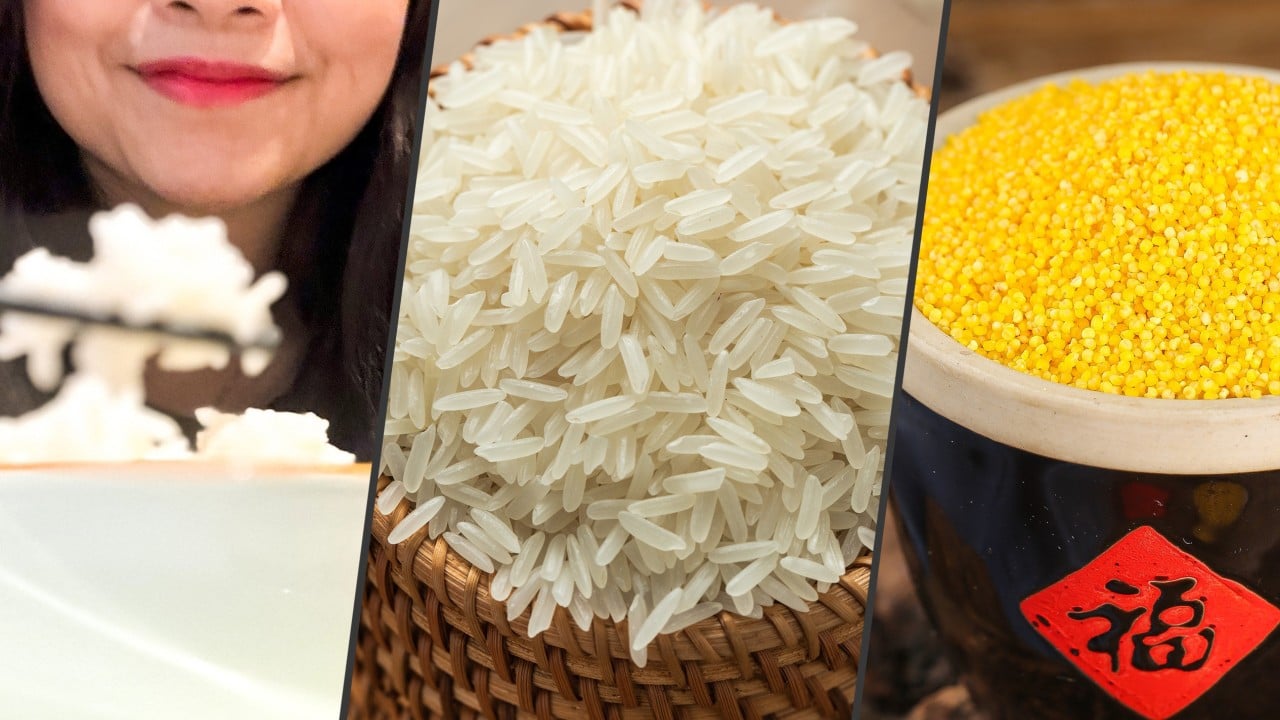
Archaeological and genetic research presented in the source material places millet at the centre of early farming around China’s Yellow River. The crop thrived in the north’s dry climate and supported cultures that helped lay foundations for Chinese civilisation, before wheat, faster-growing rice and industrial transport reduced its dominance.
Millet was a central crop in the development of early farming societies around China’s Yellow River, where its ability to grow in dry conditions helped distinguish northern agriculture from the rice-based traditions of the south. Jiang Leping of the Zhejiang Provincial Institute of Relics and Archaeology said millet and rice emerged as separate agricultural developments about 10,000 years ago. Millet was associated with northern China, while rice developed in the middle and lower reaches of the Yangtze River, he told the South China Morning Post.
The crop featured prominently in the Peiligang culture, which existed from about 7000 BC to 5000 BC. Archaeological evidence indicates that its communities farmed millet while also processing wild seeds, reflecting the transition from hunter-gathering to early agriculture. A 2020 study described domestication as a process lasting 2,000 to 3,000 years.
Robert N. Spengler III of the Max Planck Institute for the Science of Human History, who was not involved in the study, said early steps may have included keeping herbivores away from fields and removing competing vegetation. Later practices included tilling, weeding, sowing and saving seed.
Research cited in the source material also suggests millet farming spread through population movements. A study published in Cell Genomics in October 2025 said millet agriculture expanded into neighbouring regions between 5,000 and 7,000 years ago. Millet-based societies, including the Yangshao culture, made technological advances associated with early Chinese civilisation.
During the Shang dynasty, foxtail millet appeared in 93.24 per cent of crop remains examined in a study published in March 2025. Its eventual decline resulted from several changes. Water mills helped wheat expand, while a fast-growing rice variety introduced in 1012 allowed two harvests a year.
Industrialisation later made it easier to transport rice over long distances, leaving millet as a less prominent but still valued food.
This independently written report is based on information supplied by the named publisher. Vertrix News has not independently verified the source report.