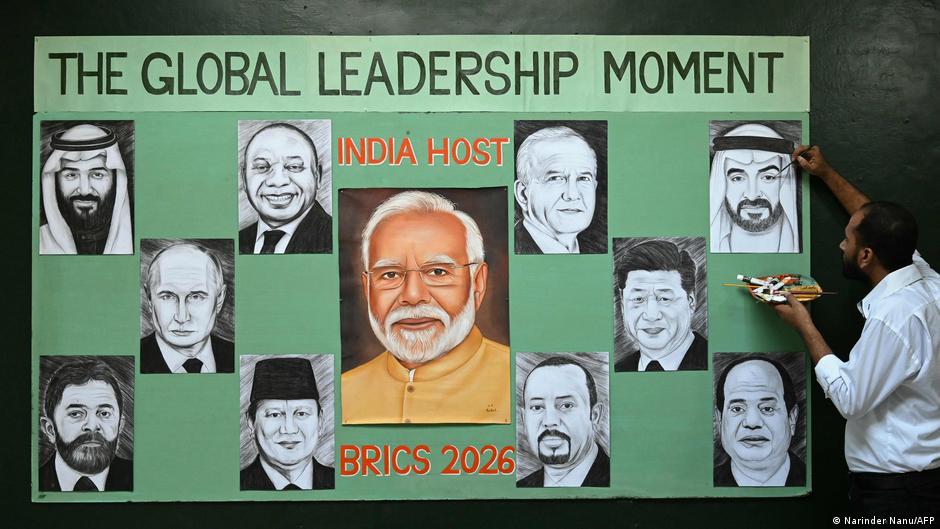
India’s Ministry of External Affairs rejected online claims that several world leaders became ill after attending the BRICS Summit in New Delhi on September 12 and 13. The ministry’s fact-checking unit described the reports as “fake” and warned against what it called malicious social media posts, including one shared by prediction-market platform Polymarket.
The clarification followed confirmation from South African President Cyril Ramaphosa’s office that he had withdrawn from public engagements after returning from the summit and had been advised to rest because of ill health. Separately, unverified posts alleged that Chinese President Xi Jinping had fainted and left the meeting early for medical treatment. The source material says that claim was not confirmed by Chinese or Indian officials; Xi was confirmed to have attended the summit and held bilateral talks with Prime Minister Narendra Modi.
The ministry also responded to legislation passed by the US House of Representatives authorizing tariffs of up to 100% on countries that continue purchasing Russian oil and gas. The bill, which includes sanctions connected to Russia’s war in Ukraine, was sent to President Donald Trump for signature.
India said it remained committed to securing energy for its 1.4 billion people and would continue sourcing oil from diverse suppliers according to changing market conditions. The ministry said it had raised the possible effects of the legislation with US officials and warned that the measures could affect both bilateral relations and international energy markets.
New Delhi also said it would take measures to protect its trade and economic interests and consult trade and industry bodies about the bill’s implications. The legislation would allow secondary sanctions, including tariffs, against countries relying on Russian oil and gas, with India and China identified in the source material as likely major targets. It also extends sanctions on Iran and targets Russia’s energy and defense sectors, senior officials and its so-called shadow fleet.
The developments come as India continues to defend its energy relationship with Russia. The source material identifies India as the world’s third-largest oil importer and says Russia has become one of its largest suppliers, while New Delhi describes diversified purchasing as necessary for its energy security.