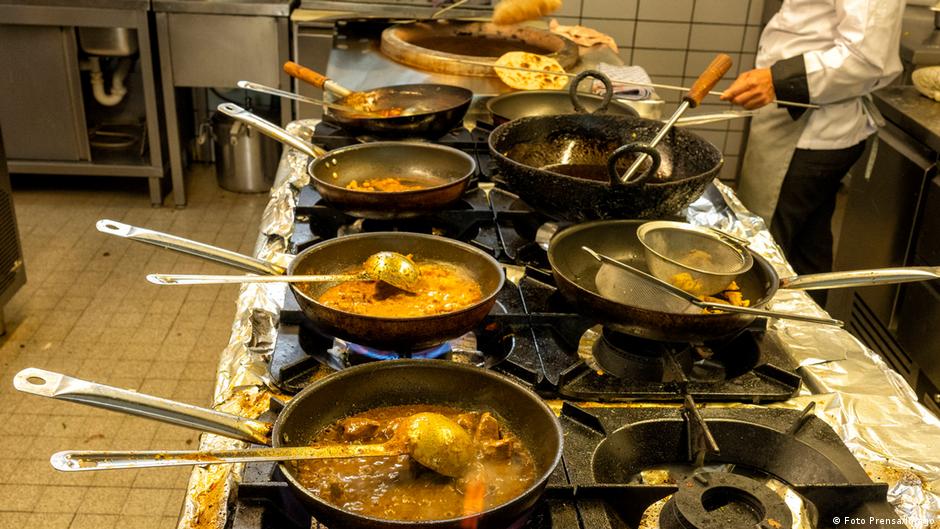
Recent inspections at two luxury hotels in New Delhi’s Aerocity have intensified debate over how consistently India’s food-safety rules are enforced. The Food Safety and Standards Authority of India (FSSAI) reported multiple deficiencies at the Andaz and the JW Marriott, while both hotels said they were cooperating with regulators and taking corrective action.
At the Andaz, inspectors cited problems including the inadequate separation of vegetarian and non-vegetarian food, pest activity, poor sanitation, insufficient food-handler hygiene and improper storage. At the JW Marriott, they reported unclean utensils and food-contact surfaces, particles visible in drinking water and inadequate pest control.
The regulator’s campaign has also extended to major food and beverage companies. According to the supplied source, FSSAI has issued more than 150 notices since July, mainly involving misleading advertising, health claims and labeling. Testing data presented to Parliament showed that about 170,000 samples were examined in each of 2023-24 and 2024-25, with roughly one in five deemed non-conforming. Provisional figures for 2025-26 recorded 40,023 failures among 223,808 samples; the category includes adulterated, substandard, contaminated and misbranded food.
Sunil Ghadiok, founder of Enserve Hospitality and Management Services, said the reported lapses did not represent the whole hotel industry. He argued that enforcement should be more regular and risk-based, rather than prompted mainly by complaints or high-profile visits. FSSAI’s restaurant Hygiene Rating Scheme is voluntary, which can make official scrutiny more visible when problems emerge than during ordinary operations.
Yash Bhanage of Hunger Inc Hospitality said food safety should be part of a restaurant’s operating culture rather than a checklist completed before an inspection. He identified changing employees, suppliers, multiple shifts and busy periods as continuing challenges, but said the current attention could help the sector move from compliance toward prevention.
Chef and restaurateur Manu Chandra called for stronger systems throughout the food and beverage sector, including improved traceability and supply-chain checks. Samir Kuckreja of Tasanaya Hospitality said businesses were seeking assistance with audits, procedures and training, adding that unannounced inspections and frequent audits could be more effective than scheduled visits or self-assessments. The wider debate also includes proposed warning labels for packaged foods high in sugar, salt or fat, whose scientific basis and thresholds the Supreme Court has asked FSSAI to clarify. The central question, Bhanage said, is what happens on the days when no inspector is present.