India’s UPI weighs merchant fees after decade of free consumer payments
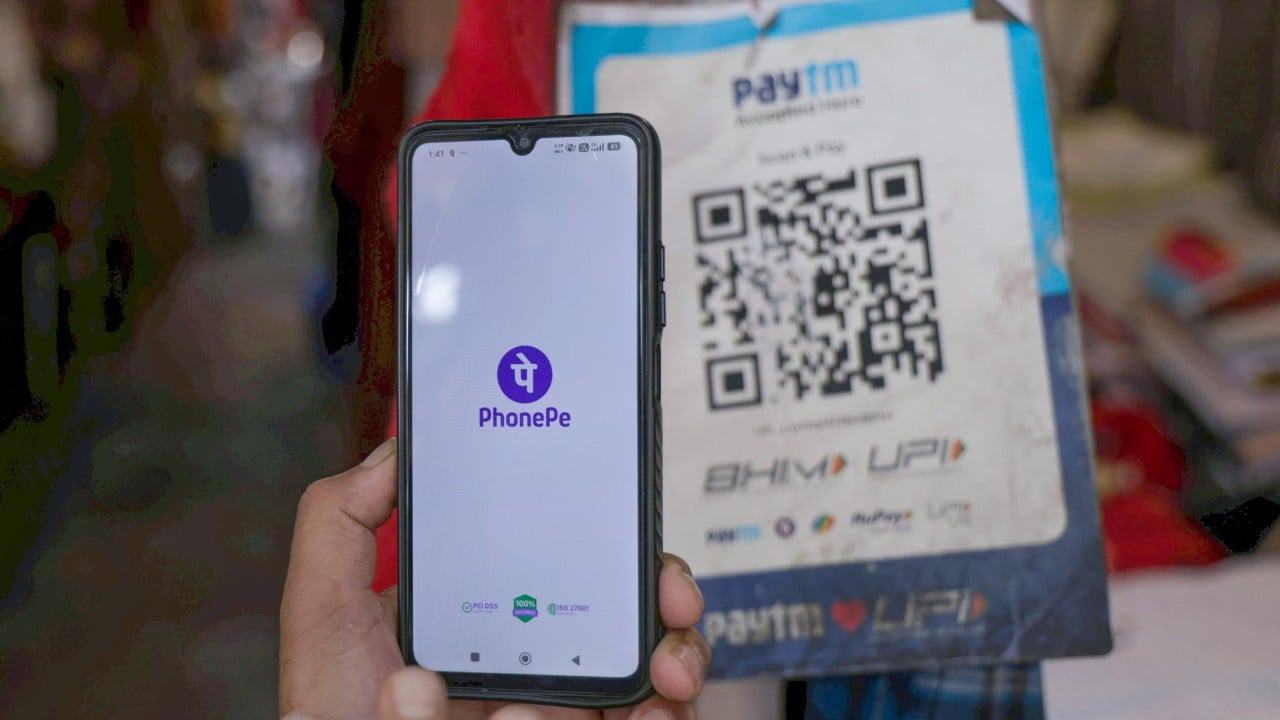
India is considering charging some merchants for using the Unified Payments Interface, the digital payments system that has allowed consumers to make everyday transactions without a fee for about a decade. The change is prompting wider questions about how low-cost payment networks can sustain mass adoption.
India is considering asking some merchants to pay fees for using the Unified Payments Interface, or UPI, after years in which consumers have generally paid nothing for everyday transactions, the South China Morning Post reported. UPI was launched by the Indian government about a decade ago and has become part of routine purchases for millions of people. Customers buying items such as tea or groceries from roadside vendors have been able to use their phones rather than cash without being charged for those transactions, according to the report.
The possible change would shift at least part of the cost of operating the system to merchants. The report did not specify which merchants would be affected, how fees would be calculated or when any new arrangement would take effect. The move is raising questions about whether India can preserve the low-cost model that helped UPI spread widely.
While the system’s lack of consumer charges has supported its appeal, the proposed merchant fees could alter the economics for businesses that rely on digital payments. The discussion has significance beyond India, with other Asian countries and economies in the Global South watching how a large digital-payment network balances affordability and sustainability. The supplied material did not identify those countries or describe any specific policy responses outside India.
The debate remains focused on how UPI should be funded as usage continues. No decision or final fee structure was included in the report.
This independently written report is based on information supplied by the named publisher. Vertrix News has not independently verified the source report.