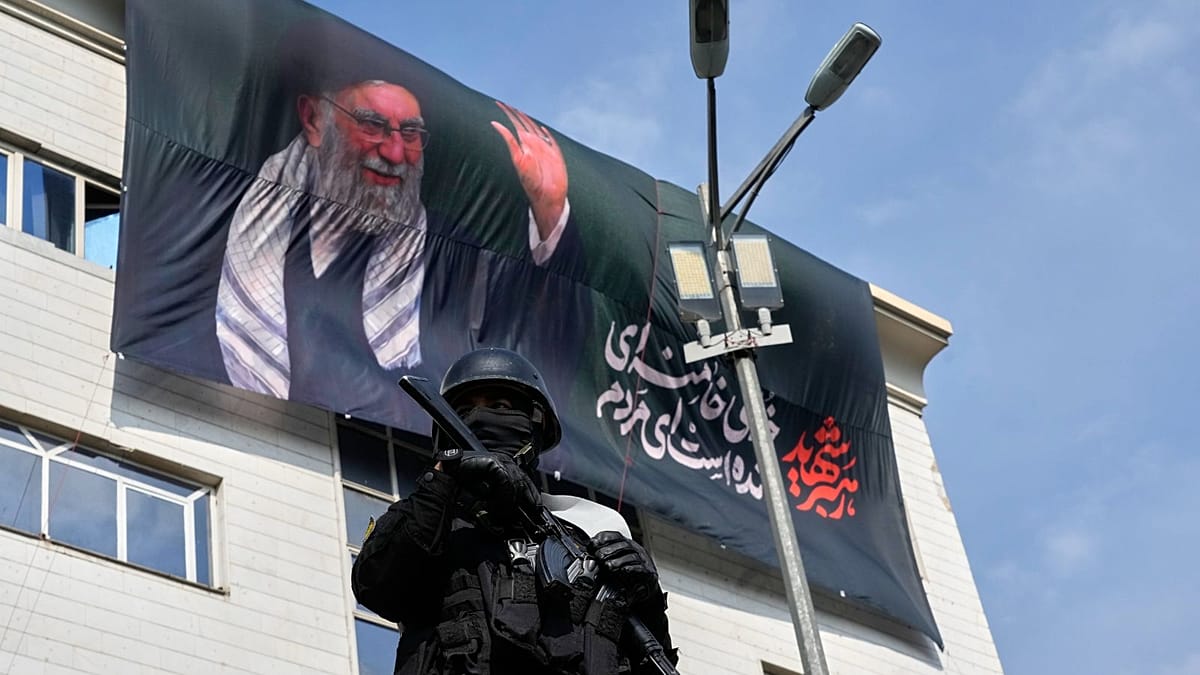
Iran’s judiciary has seized assets belonging to 240 dissidents, journalists and public figures and frozen 182 bank accounts, according to the judiciary-affiliated Mizan news agency. The agency said 143 of the seizures occurred in Tehran and involved people accused of propaganda or actions against Iran and in favour of hostile governments.
Mizan reported that some of the assets belonged to journalists working for Persian-language opposition broadcasters Iran International and Manoto, as well as activists and public figures living abroad. It also described the confiscation of property belonging to Sadegh Saeedi-nia, whom Iranian media identified as an entrepreneur who received a prison sentence in a prominent case involving opponents of the government.
The judiciary has made more than 2,000 inquiries to the Central Bank about defendants’ accounts and warned that further seizures and legal proceedings are planned. The report gave no independent assessment of the allegations against those targeted or the value of the assets involved.
Police Chief Ahmadreza Radan said more than 6,000 people had been arrested over the January protests. He also said security forces had arrested three members of the exiled Mojahedin-e Khalq, or MEK, opposition organisation, which Iranian authorities accuse of involvement in what they call a coup attempt.
Radan said officials had prevented the Persian fire festival of Chaharshanbe Suri from being used to trigger renewed unrest. He said authorities continued to monitor people described by the government as rioters and coup plotters.
Iran Human Rights, a Norway-based monitoring organisation, says at least 532 people have been executed in Iran since January, including at least 29 people connected with the January protests. The supplied report says executions accelerated after the start of a war with the United States in late February. No independent figures on arrests, asset seizures or executions were provided in the source material.