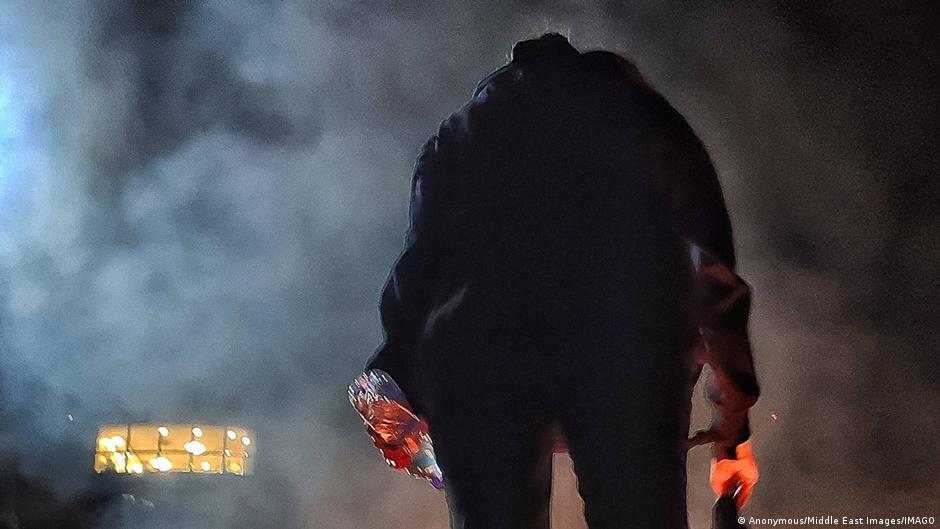
Jina Mahsa Amini, a 22-year-old Kurdish woman, died in a Tehran hospital on September 16, 2022, three days after morality police detained her over alleged violations of Iran’s compulsory hijab rules, according to the source material. Her death triggered protests across the country under the slogan “Woman, Life, Freedom.”
The demonstrations continued for months before authorities suppressed them through a violent crackdown. Pouran Nazemi, a writer, poet and women’s rights activist, told DW that she regarded the movement as Iran’s biggest social and cultural change in decades. She said protesters had sought to end the hijab mandate and state violence, goals that had not been achieved.
Nazemi said the protests nevertheless produced a lasting change in public attitudes. While Iranian institutions still use physical violence and make occasional arrests, she told DW, many people now recognize their own power within society. The source material says this shift is visible in the number of women who openly choose whether to wear a head covering.
A 17-year-old student told DW that she no longer thinks about wearing a hijab in public and posts images of herself in colorful skirts and summer clothes on social media. Her mother also goes without a hijab but carries a scarf in case she needs to cover herself quickly, reflecting the continuing fear of official enforcement.
The government is still considering tougher penalties. During a virtual parliamentary session on September 6, several lawmakers urged Speaker Mohammad Bagher Ghalibaf to send a proposed bill to the president for signature. The legislation has been held up for years by disputes among state institutions, while some politicians continue to describe uncovered hair as a threat to society.
The article places the current movement within a longer history of women’s activism. Mansoureh Shojaee told DW that the 2006 “One Million Signatures” campaign challenged discriminatory laws through public discussions, workshops and study groups, despite arrests and other repression. Although it failed to collect its target, Shojaee said it changed debate about women’s legal and social position, making “Woman, Life, Freedom” another chapter in Iran’s continuing resistance.