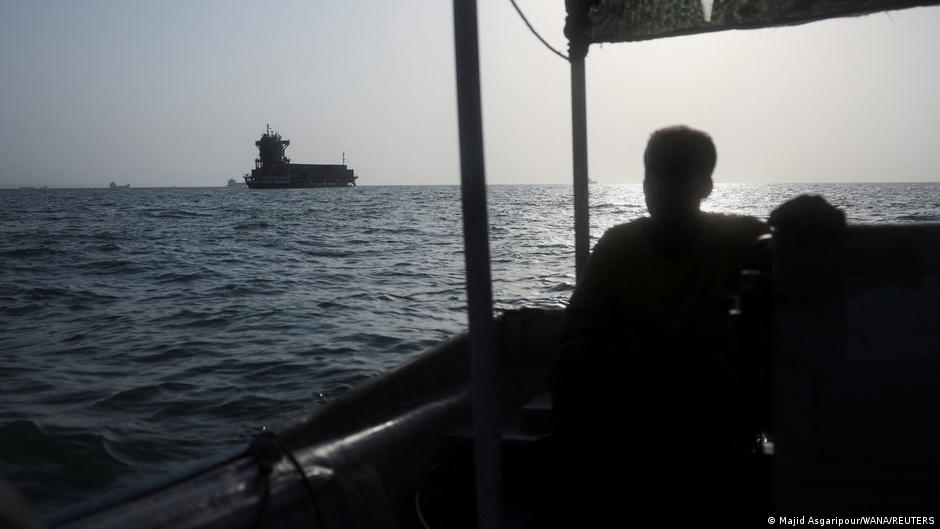
Iran is attempting to shift part of its foreign trade away from southern maritime routes after a US-led blockade targeting Iranian ports disrupted shipping, DW reports. The strategy focuses on northern ports, railways and overland corridors linking Iran with Russia, Central Asia, Turkey, Iraq, Pakistan and the Caucasus.
Economy Minister Ali Madanizadeh said during talks in Moscow that Iran should activate its northern borders and move a significant share of imports and exports away from the south. The country has seven land neighbors, access to the Caspian Sea and several established transport links, giving it alternatives to its traditional maritime gateways.
Alireza Salavati, a political economy commentator cited by DW, said Iran had unused capacity in its northern ports. Iranian authorities said in late 2025 that those ports had nominal annual capacity exceeding 30 million tons, with less than one-third in use. Caspian routes could handle additional grain, food and general cargo, while Turkey, Turkmenistan and Azerbaijan provide connections toward Europe, Central Asia and Russia.
Infrastructure remains a constraint. The Astara freight terminal is designed to handle 3.5 million to 4 million tons annually but processed about 345,000 tons in the first five months of 2026. The unfinished Rasht-Astara railway is another bottleneck. Rail freight through Turkey also depends partly on train ferries across Lake Van, which carried about 477,000 tons in 2024.
The economics make a large-scale shift difficult. Majidreza Hariri of the Iran-China Chamber of Commerce said a container from China to Iran costs about $3,000 through southern ports, compared with roughly $12,000 overland. With around 2 million containers entering through the south each year, he estimated that a prolonged shift could add about $18 billion to trading costs.
DW said land routes are more practical for grain, medicines, industrial inputs and regional exports than for crude oil. A 50,000-ton shipload would require around 2,000 truck journeys if each truck carried 25 tons. Umud Shokri of George Mason University said the approach was realistic as a resilience strategy, but not as a replacement for maritime trade, especially large-scale energy exports.