A growing number of Israelis are moving to the Republic of Cyprus or acquiring property there as the security situation in Israel remains volatile, according to DW. For some, the nearby island has become a permanent destination and a contingency plan; others cite its short flight time, familiar climate and business links with the European Union.
Israeli media estimates cited by DW put the number of Israeli families permanently living in Cyprus at least 3,000, with several hundred more arriving each year. The same reports say about 20,000 Israelis own property on the island without residing there year-round. Cyprus Land Registry figures presented to parliament recorded 3,851 property transfers and sale contracts involving Israeli buyers in Larnaca, Paphos and Limassol between 2021 and 2024.
The activity extends beyond residential purchases. Israeli hotel group Fattal has invested in projects in Limassol, Paphos and Larnaca, with its Cyprus investments estimated at hundreds of millions of euros. Other projects include the more than €110 million redevelopment of Larnaca’s Palm Beach hotel and the approximately €40 million Aqua Residences development. In the Limassol district, a plan to restore the abandoned village of Trozena and add tourism facilities, a campsite and winery has drawn opposition and an official investigation after work reportedly began without the necessary permits.
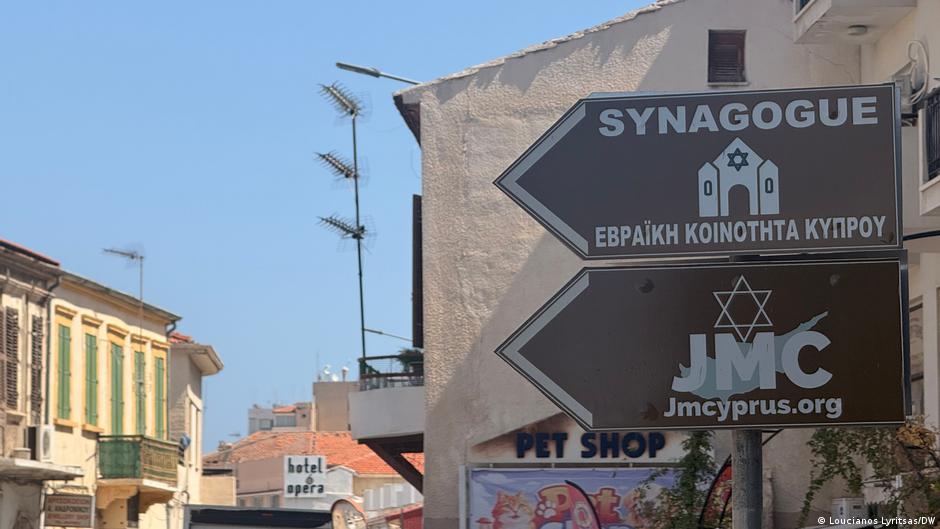
DW said the Israeli presence is also reflected in new community infrastructure, including places of worship, kosher restaurants and Hebrew-language advertising in Larnaca, Limassol and Paphos. A private Jewish school near Limassol is planned for as many as 1,500 students, suggesting that the community’s needs are becoming increasingly long term.
The developments have fueled a wider Cypriot argument over foreign investment and property ownership. AKEL Secretary General Stefanos Stefanou has warned of uncontrolled land sales and gated communities, while MEP Fidias Panayiotou said Cyprus risked becoming too dependent on Israeli capital. Israel’s ambassador, Oren Anolik, rejected claims of excessive influence and cautioned that singling out a nationality could encourage antisemitism.
The government continues to present foreign investment as an economic priority. Former Energy and Commerce Minister George Papanastasiou said Israeli businesspeople were active in tourism, technology, energy, health and real estate. Parliament is considering proposals from AKEL and the center-right Democratic Rally to restrict land purchases by non-EU nationals; DISY lawmaker Nikos Georgiou said the measures were not aimed at any particular country, but at the effects of foreign buying on demographics, land values and, in some cases, national security.