The Russian government has welcomed United States President Donald Trump’s suggestion that Russia and Ukraine stop attacking each other’s energy infrastructure. Kremlin spokesman Dmitry Peskov described the proposal as an “energy ceasefire” and said Moscow considered it “a very good idea overall,” according to DW.
Peskov did not confirm that Russia had accepted the proposal. He said any arrangement would need to cover more than an end to Ukrainian attacks on Russian refineries, adding that Russia should be able to export its oil without hindrance. He also called for safe commercial shipping and navigation, including for oil tankers, and said Moscow would remain in contact with Washington.
Trump said Monday that Russia and Ukraine had agreed not to strike energy targets. Ukrainian President Volodymyr Zelenskyy, however, referred to a strong US proposal for a mutual halt to attacks on critical infrastructure. Zelenskyy said Ukraine was ready to support de-escalation if the measure became a first step toward ending Russian attacks and if Russia implemented it genuinely and over the long term.
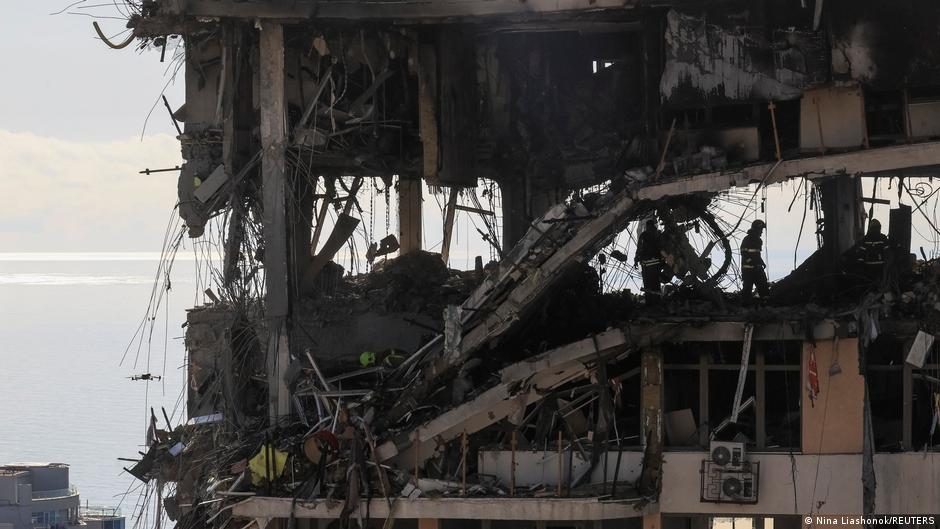
Despite the discussion of a possible ceasefire, DW reported that hostilities continued. Russia launched 200 drones at Ukrainian cities overnight, Ukrainian officials said, killing two people—one in Kyiv and one in Zaporizhzhia. Petrol stations in Kyiv and energy and port infrastructure in other regions were also reported hit.
Zelenskyy said Ukraine responded by striking an oil refinery in Syzran in Russia’s Samara region, along with drone-production facilities in the Taganrog and Oryol regions. Ukrainian forces also reportedly regained more than 10 square kilometres of occupied territory and cleared another 75 square kilometres of infiltrated Russian positions north of Lyman in Donetsk, in an operation aimed at easing pressure on Sloviansk and Kramatorsk.
Separately, Russia criticized a French initiative to extend its nuclear deterrent to European partners. Foreign ministry spokeswoman Maria Zakharova called the plan reckless and said it created risks for Russia. France has proposed allowing participating countries to host French nuclear-armed aircraft temporarily while retaining national control over the arsenal; Finland was reported to be the tenth country to join the plan, with Estonia discussing participation.