London facial-recognition trial produced one false alert, review finds
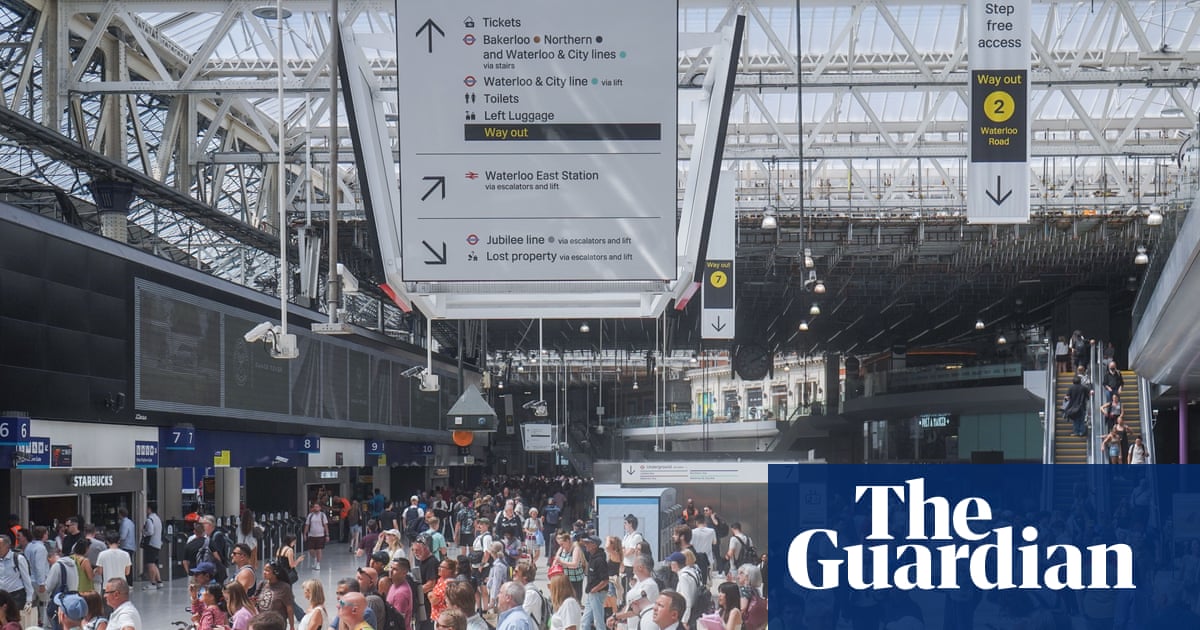
A six-month British Transport Police trial of live facial recognition at London railway stations scanned more than half a million faces and generated one watchlist alert, which was incorrect. Freedom of information data showed the trial cost £320,786, while police said separate arrests during deployments did not result directly from facial-recognition alerts.
A six-month trial of live facial recognition at London railway stations produced one watchlist alert, which proved to be a false match, according to freedom of information data obtained by Liberty Investigates and shared with the Guardian. The British Transport Police trial ran from February to July and involved 18 deployments at some of the capital’s busiest transport hubs. More than half a million faces were scanned.
Equipment hire and police staffing cost £320,786, the report said. The trial was intended to assess whether the technology could help identify wanted offenders and people breaching court orders. British Transport Police announced last month that it would extend the trial by four months and expand deployments to London Underground stations.
Transport for London has supported the extension, saying the cameras would target people on police watchlists at stations selected for maximum impact. It said the technology would also be used to address violence against women and girls, including offences and harassment affecting travel. Fraser Sampson, a former UK biometrics and surveillance camera commissioner, said police needed to demonstrate that use of the technology was proportionate.
He said outcomes depended on factors including location, time of day, watchlist composition and whether people on the list were likely to be present. A BTP spokesperson said officers made arrests during deployments for alleged assault, theft, possession of an offensive weapon, public-order offences and breaches of criminal behaviour orders. The force said those arrests did not result directly from a facial-recognition alert and therefore were excluded from the performance data.
The spokesperson said BTP had refined deployment locations, procedures, equipment and watchlist construction during the pilot. Bell Ribeiro-Addy, a Labour MP, called the technology a serious invasion of privacy and urged stronger safeguards and a legal framework before further expansion. More than half of police forces in England and Wales have deployed live facial recognition on public streets, according to Liberty Investigates.
This independently written report is based on information supplied by the named publisher. Vertrix News has not independently verified the source report.