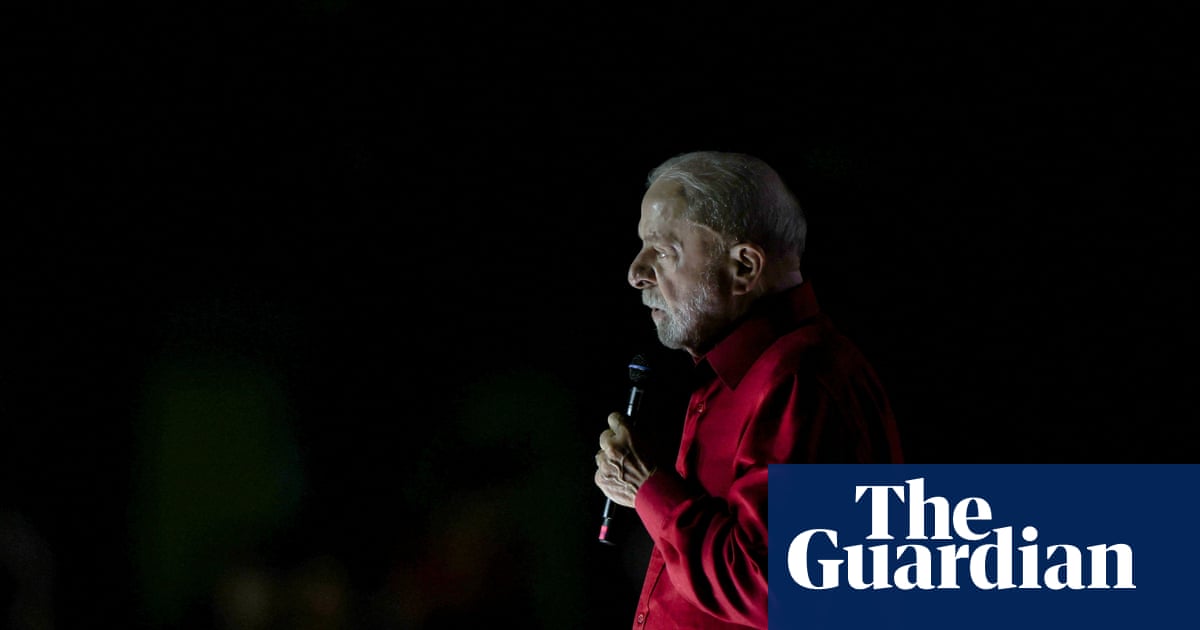
Brazilian President Luiz Inácio Lula da Silva has announced a 15% increase in the country’s main cash-transfer programme for low-income families, alongside a promise to provide weight-loss injections free through the public health system. The announcements come two weeks before the presidential election, prompting opposition claims that Lula is using government benefits to strengthen his campaign.
The payment increase, from about £98 to £113 a month, is due to begin on 19 October, shortly before a likely runoff on 25 October. Lula is scheduled to face far-right senator Flávio Bolsonaro on 4 October; Bolsonaro, the son of former president Jair Bolsonaro, has gained ground in recent weeks, although the latest poll cited by The Guardian still put Lula numerically ahead in a technical tie.
Lula said the higher payment was an adjustment for inflation intended to protect the purchasing power of vulnerable families, rather than a discretionary increase. The measure is expected to affect between 15% and 20% of voters. Bolsa Família, created during Lula’s first presidency in 2003, currently covers about 50 million people, including roughly 27 million of voting age, according to the source.
Flávio Bolsonaro described the announcement as an “act of desperation” and accused Lula of trying to “buy the votes of the poor”. Another far-right candidate, influencer Renan Santos, has asked Brazil’s electoral court to suspend the increase until the next president takes office. Bolsonaro has not filed a similar case, reportedly because of concern over how that could affect beneficiaries.
The announcement has revived comparisons with Jair Bolsonaro’s 2022 campaign, when he increased the monthly payment by 50% and introduced temporary support for taxi drivers and truck drivers. Journalist Miriam Leitão said both changes appeared electorally motivated, but argued that Lula’s measure differed because it only reflects inflation after four years without an adjustment and is permanent.
Victor Escobar of the Laboratory of Parties, Elections and Comparative Politics said Lula’s intentions were also electoral, but described such conduct as expected of an incumbent seeking re-election if the measures comply with the law. Electoral law experts cited by The Guardian said an inflation adjustment is not, in principle, prohibited.