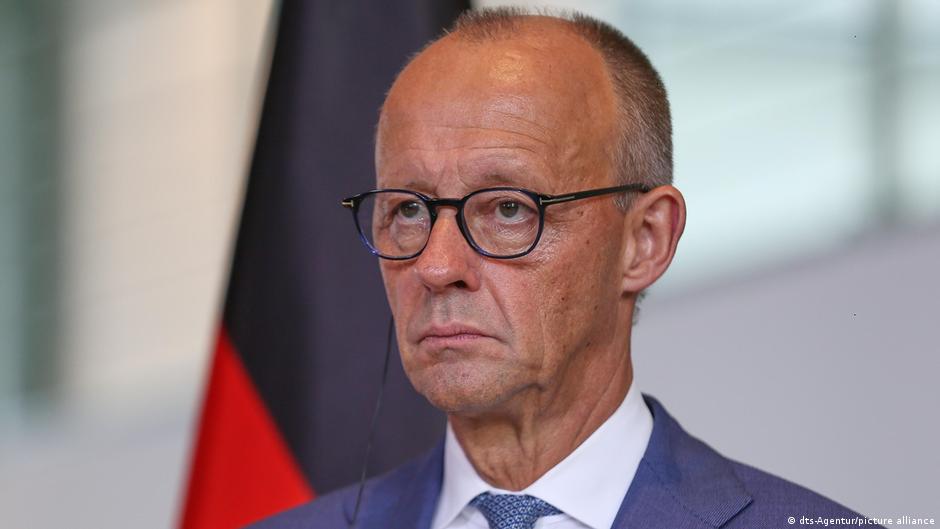
German Chancellor Friedrich Merz is facing an intensifying political challenge after the Christian Democratic Union suffered a heavy defeat in Saxony-Anhalt. Public support for the federal government has reached a record low, according to the supplied report, prompting debate within political circles about whether Merz remains the right person to lead the country.
The pressure could increase after the Mecklenburg-Western Pomerania election. The CDU is polling at seven percent ahead of the September 20 vote, according to the report, raising the possibility that it could fail to clear the five-percent threshold for entering the state parliament. The party is expected to record its worst-ever result in the state. In Saxony-Anhalt, the election was won by the Alternative for Germany, which the state’s Office for the Protection of the Constitution has classified as confirmed right-wing extremist.
Critics have questioned Merz’s communication style and his handling of contentious reforms, including planned changes to the pension system. Education Minister Karin Prien, a fellow CDU member, told public broadcaster ARD that many people felt Merz and the CDU/CSU lacked empathy. Trade union representatives also reacted angrily after Merz criticized attitudes toward a four-day workweek and work-life balance, saying they could threaten Germany’s prosperity.
The coalition’s junior partner, the center-left Social Democratic Party, has also voiced concern. SPD Parliamentary Secretary Dirk Wiese told Welt TV that nerves appeared to be frayed within the CDU and urged the coalition partner to improve its cooperation and performance.
However, there is no obvious replacement if Merz were to leave office. Bavaria’s premier and CSU leader Markus Söder is viewed as a possible candidate but is described as lacking broad support within the CDU. North Rhine-Westphalia Premier Hendrik Wüst has experience leading a coalition with the Greens but plans to seek reelection in April and has shown little inclination to move to Berlin. A change would require Merz’s resignation or, if he refused, a constructive vote of no confidence in the Bundestag.
All eight CDU state premiers issued a joint statement supporting Merz, saying Germany needed stability and that voter trust should be rebuilt through listening and political action rather than personnel debates. The report says Merz may convene the CDU executive committee after the Mecklenburg-Western Pomerania results to address the leadership question.