Mining waste left six-metre breach in remote section of China’s Great Wall
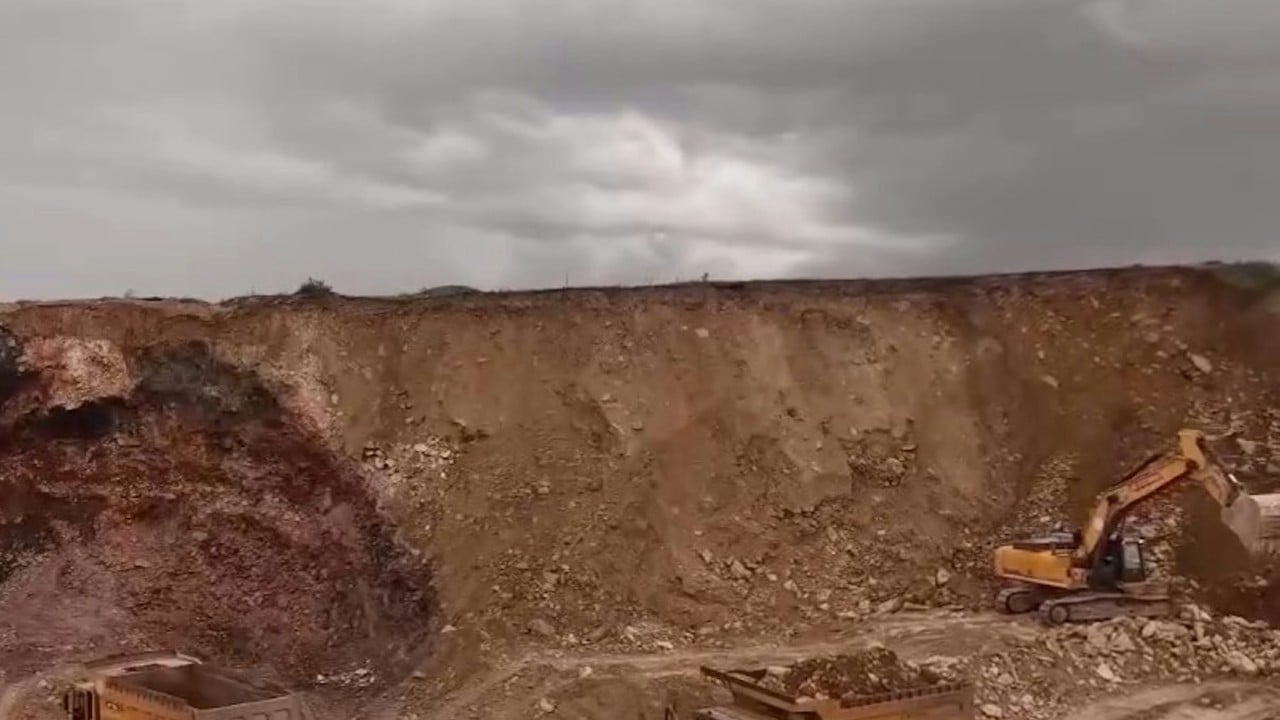
A remote Ming-era section of the Great Wall in Shanxi province was damaged after mining companies used a breach to dump coal waste for nearly two decades, Chinese state broadcaster CCTV reported. Authorities have fined a company, detained two people and promised repairs, restoration and investigations into official inaction.
A remote section of China’s Great Wall in Shanxi province was damaged after coal-mining companies used a breach in the structure to dispose of waste for almost 20 years, according to a report by state broadcaster CCTV. The affected Guojiayao section is in Ningwu county and dates from the Ming era. CCTV reported that Ningwu Chaokai Coal Industry, described as an unlicensed miner, dug through the wall in 2007 to create a shorter route for excavation waste.
After several mining teams were consolidated into Shenda Chaokai Coal Industry in 2013, the practice continued. The report said the breach ultimately left a gap about six metres wide. Whistle-blowers began reporting the damage to authorities in 2015, but officials did not respond, according to CCTV.
Local officials told the broadcaster that weak conservation efforts and infrequent inspections allowed the damage to go unnoticed. They also said no penalties were imposed and higher authorities were not notified because the company stopped excavation inside the protected cultural relics zone after 2019, while past violations were not prosecuted. China’s 2006 Great Wall protection regulation requires authorities to take immediate control measures after reports of damage and to notify higher-level officials.
Physical boundary markers were not installed at the Guojiayao section until 2025, the report said. Shanxi established a special task force in March after continued public complaints and media coverage. The company was fined 1 million yuan for unauthorised construction in a cultural relics control zone and severe damage to the historical site.
Its former executive and actual controller were detained in May. Ningwu county said it would launch a wider crackdown on heritage damage and illegal slag dumping. It promised emergency repairs, structural reinforcement and ecological restoration, while investigations into alleged official negligence and breaches of duty continue.
This independently written report is based on information supplied by the named publisher. Vertrix News has not independently verified the source report.