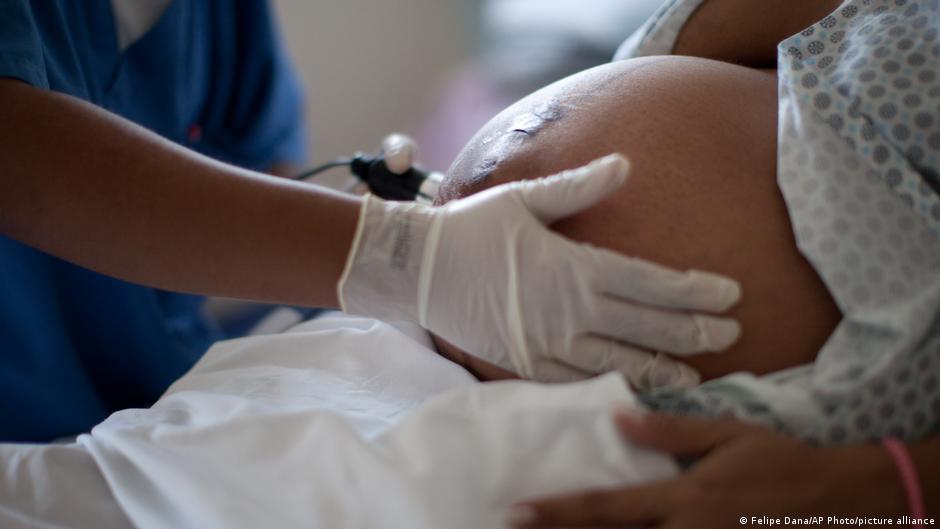
Russian couples are increasingly travelling to Brazil so their children can be born there and obtain Brazilian nationality, according to DW. The movement has expanded since Argentina, previously a major destination for birth tourism, introduced stricter requirements for citizenship and residence.
DW spoke to Yulia and Dmitri, whose names were changed for safety, after they travelled from Russia to Brazil while Yulia was 32 weeks pregnant. Their daughter was born at a private clinic in Santos. The family said they spent about €10,000 during their first six weeks in Brazil, including several days of intensive care for the child, and are waiting for the necessary documents before returning to Moscow.
Dmitri said the Brazilian passport would give his daughter visa-free access to almost any country in the world and allow her greater choice over where she studies, works or lives. Another Russian couple, identified by DW as Yana and her husband, went to Brazil in 2023 and stayed for about three years after the birth of their son in a public hospital in Florianopolis. Yana said obtaining passports for the family was important and that she wanted her son to retain a connection with Brazil.
Organizations and lawyers assisting Russians in Brazil told DW that immigration from Russia has increased, particularly after the full-scale invasion of Ukraine in 2022 and tighter visa rules in some countries. Argentina now requires people seeking citizenship for children born there to have resided in the country for at least two years, while access to free healthcare for people without permanent residence has been restricted since 2025. DW cited Russian outlet RBC figures showing that Russian residence-permit applications in Argentina fell from more than 7,000 in 2023 to about 1,800 by mid-2025.
Brazilian figures cited by DW show that almost 500 Brazilian passports were issued to Russians in 2024 and more than 600 the following year. In Florianopolis, 119 Russian women used prenatal consultations during the first six months of this year, compared with 136 throughout 2025, according to local health authorities.
A lawyer told DW that Brazil does not expressly prohibit or permit foreigners to enter specifically to give birth. Pregnant travellers may receive public healthcare regardless of immigration status, while intermediaries help newcomers arrange housing, medical treatment and paperwork. Lawyers and volunteers report closer checks of addresses and documents, but DW found no evidence of mass refusals of entry. Brazilian police also denied a report that 10 pregnant Russian women had been deported, saying entry decisions were made individually and that pregnancy was not a factor.