More than 150 experts urge UK government to treat food security as national security
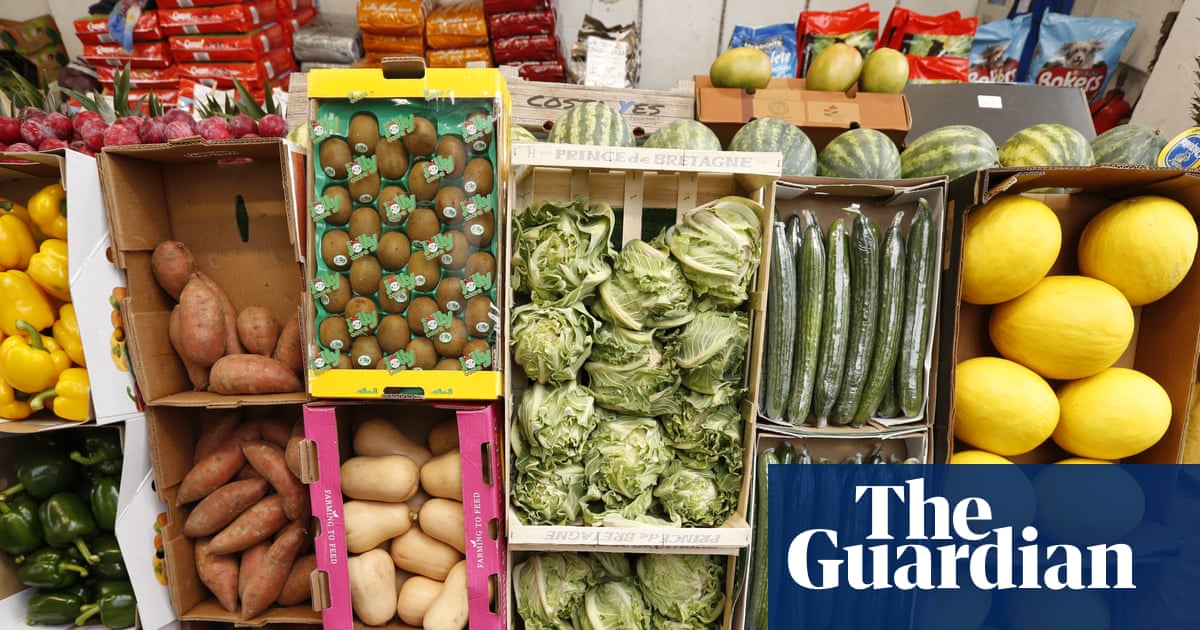
Academics, business leaders and community groups have warned that Britain lacks a crisis food plan and is exposed to disruptions from climate events, geopolitical shocks, cyber-attacks and energy failures. Their letter calls for more storage, diversified supply chains, stronger local resilience and greater domestic production of nutritious food.
More than 150 experts have warned the British government that the country is unprepared to feed people during a major crisis and has treated food security too casually. In an open letter to Prime Minister Andy Burnham, academics, business leaders, community groups and food partnerships identified climate disruption, geopolitical shocks, cyber-attacks, energy outages and disinformation as threats to the food chain. The signatories said the UK’s just-in-time delivery system held too little stock and that there was no national food storage system.
They argued that the supply chain was vulnerable because it was import-dependent, environmentally unsustainable and unable to ensure that millions of people could afford a healthy diet. The letter calls for local food resilience committees under the Civil Contingencies Act 2004, an audit of dependence on major food companies and imports, and a rethink of production around nutritional needs. It also proposes storage at national, regional, local and community levels, alongside a more decentralised food supply.
The warning follows criticism from the National Audit Office, which said ministers had not done enough to help households and businesses prepare for emergencies. Government research cited in the source material found that Britons were less prepared for possible catastrophic events than residents of several other European countries. Environment Secretary Angela Eagle has recommended that households keep enough food and water to manage for several days without power or water.
The government is also preparing a campaign encouraging people to stock up on items such as tinned food. The experts said such advice needed to account for lower-income households that might not be able to afford supplies. Tim Lang of City St George’s, University of London, called for more domestic production, regional diversity and storage at multiple levels.
Paul Behrens of Oxford University said food resilience, healthy diets and environmental benefits all supported growing more fruit, vegetables and pulses closer to home. Eagle has also said she would oversee farming improvements and a reservoir-building programme.
This independently written report is based on information supplied by the named publisher. Vertrix News has not independently verified the source report.