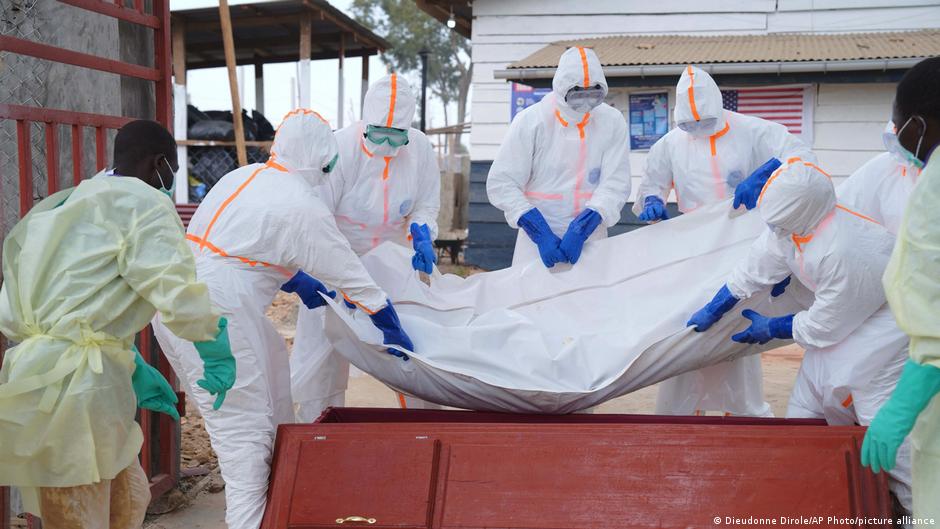
Doctors Without Borders (MSF) has warned against concluding that the Ebola outbreak in the Democratic Republic of Congo is under control, after the government and the World Health Organization reported signs of slowing transmission in some locations earlier in the week.
MSF said the overall number of newly recorded cases had not declined nationally. While transmission appeared to be slowing in Ituri province, the outbreak had spread to South Ubangi, described by the charity as the seventh affected province, while North Kivu was recording nearly half of all newly confirmed cases.
“The race to contain the Ebola disease outbreak in the Democratic Republic of Congo is far from over,” MSF said. Its emergency coordinator in the country, Anthony Kergosien, said assuming the outbreak was controlled because some treatment centres were receiving fewer patients would be a mistake.
Kergosien said the outbreak was “not shrinking” but moving, with test positivity rising sharply in North Kivu. He also warned that undetected transmission chains had taken hold in the worst-hit areas and that the spread into places with weaker preparedness and response systems posed a serious risk.
According to figures cited from the WHO, the outbreak has killed more than 3,500 people among more than 7,200 confirmed cases since it was declared in May. MSF has about 1,700 staff in the DRC, most of them Congolese, according to the supplied report.
The response has faced additional difficulties in remote parts of the north and east, where instability, inadequate health infrastructure and armed groups complicate access. Medical staff strikes and funeral practices that can enable transmission after death have also hindered efforts to contain the disease. The outbreak involves the Bundibugyo strain of Ebolavirus, while the report says existing treatments and vaccines had not been tested against it and their effectiveness remained uncertain.