NASA tests autonomous systems to improve airport safety and efficiency
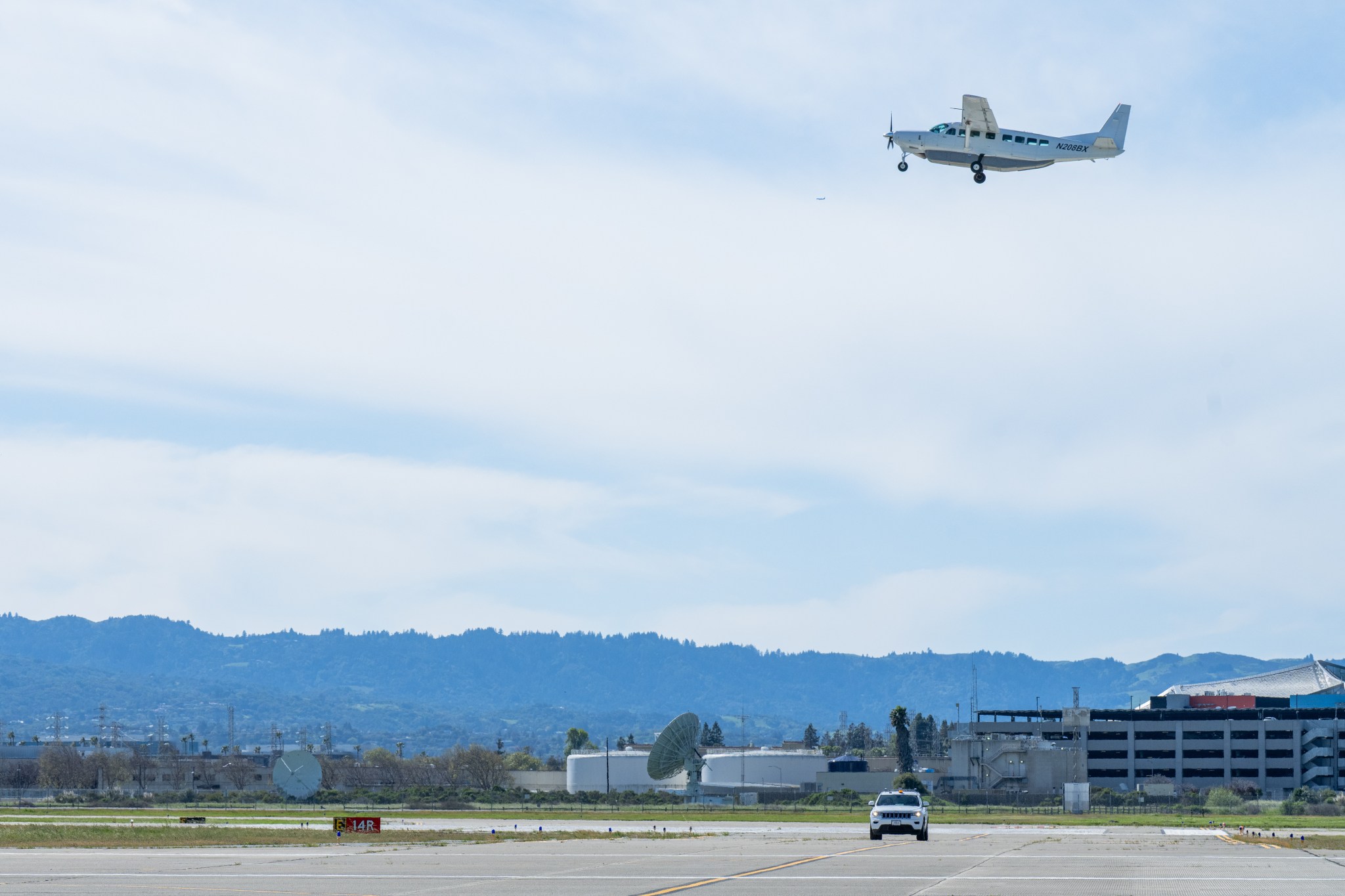
NASA and Boeing have tested digital taxi guidance, runway-obstacle detection and routing tools intended to reduce communication errors, pilot and controller workloads and delays. NASA said the work could support safer, more predictable commercial flights, with further testing planned in simulated air-traffic environments.
NASA researchers working with Boeing have tested technologies designed to make airport operations safer and more efficient. At Ames Research Center, pilots received digital taxi guidance on cockpit displays or tablets rather than solely through verbal instructions from controllers. Aircraft followed digital routes while sensors monitored for vehicles or other obstacles on taxiways and runways.
During testing, the system identified a vehicle on a runway while a Boeing aircraft was preparing to land. NASA said the technologies could reduce miscommunication, ease workloads and improve situational awareness. The supplied material does not report any accidents or claim that the systems are already in routine use.
NASA also described work on real-time trajectory sharing and digital rerouting. In 2025, it tested flight-information sharing with United Airlines, Boeing and international partners. NASA has transferred routing technology to the Federal Aviation Administration, while airlines continue to test it.
Further testing will combine sensor and digital-taxi systems in a simulated air-traffic-control environment. NASA airspace-safety project director Parimal Kopardekar said aviation safety and greater autonomy were central to the research.
This independently written report is based on information supplied by the named publisher. Vertrix News has not independently verified the source report.