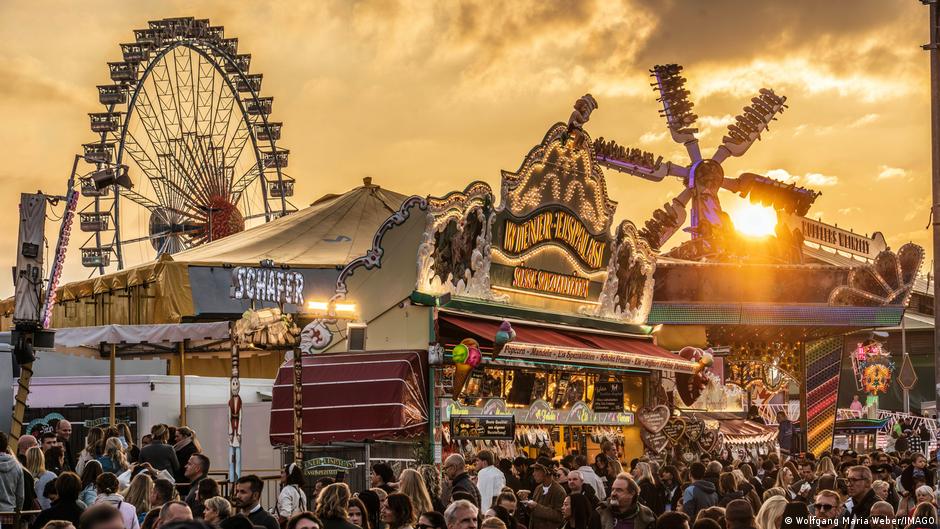
Munich’s Oktoberfest is scheduled to open at noon on Saturday, September 19, with the traditional tapping of the first beer barrel by the city’s mayor. The ceremony is followed by 12 gunshots signaling that the festival’s tents may begin serving beer, according to DW.
The festival will run through October 4 on the 34.5-hectare Theresienwiese grounds, an area roughly equivalent to 48 soccer fields. More than 6 million visitors are expected. DW reports that crowds became dangerously dense during a Saturday afternoon last year, temporarily bringing movement to a standstill and causing some visitors to panic. Officials also had to close entrances temporarily.
Munich has overhauled its security arrangements in response. Twenty-six new cameras will join 56 police cameras monitoring the site, while an artificial-intelligence system will analyze visitor flows and alert authorities to potential overcrowding. A new coordination center is intended to improve communication between security agencies and organizers. Police and organizers have also prepared a plan to respond to drones, although DW says details have not been released. Some 600 police officers will be deployed at the festival.
The pressure on entrances is linked partly to the reservation system used by nearly all 38 beer tents. The 14 largest tents each hold several thousand people and generally operate in two or three reservation shifts, meaning large groups may arrive and leave at the same time.
Despite Oktoberfest’s global reputation, the festival remains primarily regional, according to a city-commissioned study cited by DW. In 2025, 41% of visitors came from Munich and 25% from the surrounding area; three-quarters of the approximately 6.5 million visitors came from Bavaria. International visitors accounted for about 21%, with Americans forming the largest overseas group and Italians the second-largest.
A one-liter mug of beer will cost between €14.80 and €15.90 this year, while a liter of table water costs €11. Free drinking fountains are available on the grounds. Cannabis is banned, many vendors still accept only cash, and ride tickets range from just under €5 to €14. Traditional dress is common but not required, and visitors may rent dirndls or lederhosen.