Palace says King’s Caribbean tour will confront slavery legacy
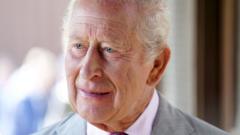
Buckingham Palace says King Charles’s forthcoming Caribbean tour will acknowledge colonial legacy and the transatlantic slave trade, as he faces renewed calls for an apology and reparations. The eight-day visit includes Antigua and Barbuda, the Bahamas and Guyana during the Commonwealth meeting.
King Charles’s forthcoming Caribbean tour will not avoid discussions about the region’s colonial past and the transatlantic slave trade, Buckingham Palace has said. The King and Queen Camilla are due to visit Antigua and Barbuda, the Bahamas and Guyana during an eight-day trip beginning on October 27. The visit will include the Commonwealth Heads of Government meeting in Antigua and Barbuda.
Charles is expected to face renewed calls for a formal apology for Britain’s role in the slave trade and questions about reparations, meaning compensation sought from countries that participated in or benefited from it. The source material says the government has not advised the King to apologise or offer reparations. A palace spokesperson said discussions were continuing in different forums about colonial legacy and the intergenerational impact of the transatlantic trade in enslaved people.
The spokesperson added that these issues were primarily for governments to address. The palace referred to previous statements by Charles in which he described slavery as an “atrocity” that “forever stains our history”. The King has also expressed what the palace called his “personal sorrow” over Britain’s role.
At the same time, the palace said the tour would mainly focus on the present and future of the countries being visited. The comments come as several African and Caribbean governments seek a formal apology and reparations from countries associated with the trade. Jamaica’s government said in September that it would present a reparations petition to the King, who is the country’s head of state.
Culture Minister Olivia Grange said the petition would ask him to refer questions about the legality of the enslavement of Africans in Jamaica to the Judicial Committee of the Privy Council. The British government has called the transatlantic slave trade abhorrent but has said the United Kingdom does not pay reparations.
This independently written report is based on information supplied by the named publisher. Vertrix News has not independently verified the source report.