Qing rulers used role-playing in art before Cixi’s famous portraits
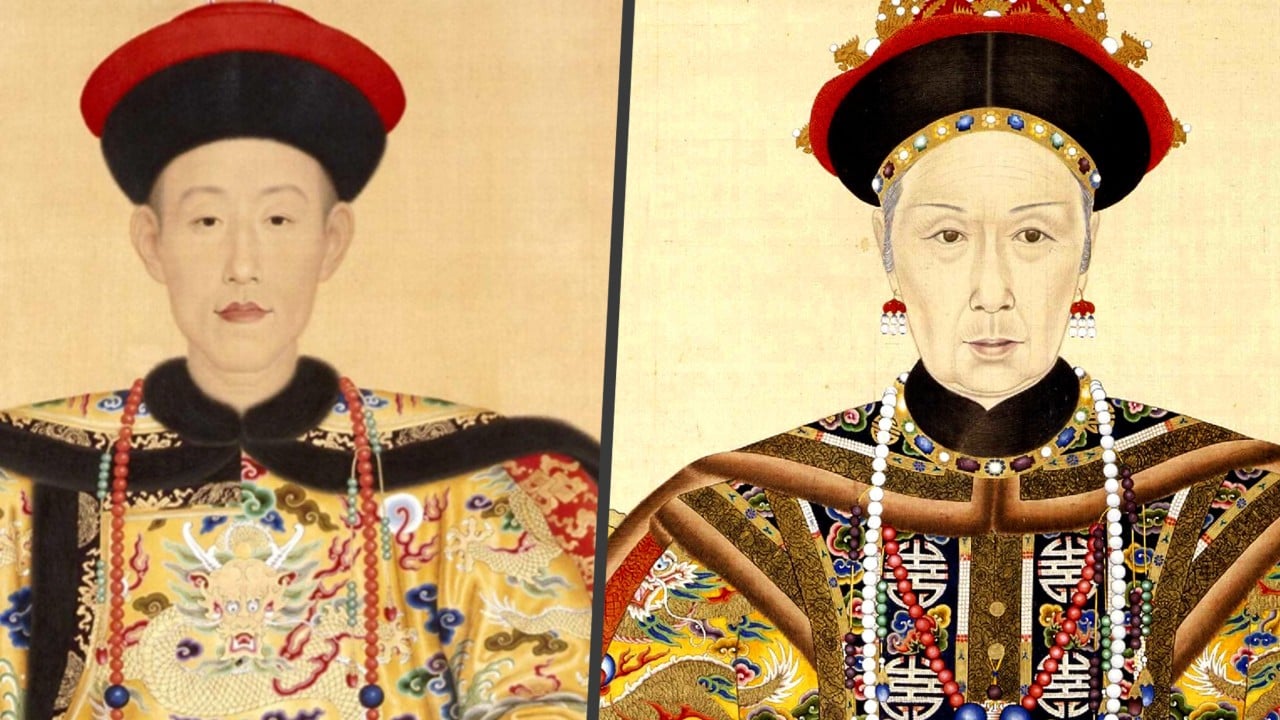
Paintings show that Qing emperors Yongzheng and Qianlong adopted role-playing imagery long before Empress Dowager Cixi was photographed and painted as the Buddhist deity Guanyin. The examples challenge the idea that Cixi was the dynasty’s first royal enthusiast of such performances, according to the South China Morning Post.
Empress Dowager Cixi is widely associated with images of herself taking on the appearance of Guanyin, the Buddhist Goddess of Mercy. But paintings indicate that Qing emperors had used similar role-playing imagery much earlier, the South China Morning Post reports. Cixi, who lived from 1835 to 1908, left photographs and paintings depicting her as Guanyin.
The available account says she was not the first Qing ruler to engage in this kind of representation. Paintings show that Emperor Yongzheng and his son, Emperor Qianlong, also adopted roles in artworks. Yongzheng lived from 1678 to 1735 and ruled for 13 years, while Qianlong lived from 1711 to 1799, according to the supplied material.
The examples place Cixi’s portraits within a longer tradition of royal role-playing rather than presenting them as an isolated court practice. The source does not identify the artists, dates or titles of the paintings, and it does not explain the intended audiences for the works. It describes Yongzheng as a strict ruler but provides no further detail about his reign or the circumstances in which the role-playing paintings were produced.
This independently written report is based on information supplied by the named publisher. Vertrix News has not independently verified the source report.