A newly published Register of British Slave Traders documents thousands of British investors in the country’s nearly 250-year trafficking of more than 3 million enslaved African people. According to The Guardian, the register shows that the trade operated with extensive state and political support, including from the Tories and Whigs, predecessors of today’s Conservative and Liberal Democrat parties.
The register identifies more than 50 Tory MPs and about 50 Whig MPs as historic slave traders. Most invested in the Royal African Company (RAC), or its predecessors, while some also owned plantations or became involved in the South Sea Company. The RAC, led by the future King James II, trafficked at least 150,000 African men, women and children, The Guardian reports.
The political divide initially concerned the organisation and expansion of the trade rather than opposition to enslavement. Early Tories supported the RAC’s royal monopoly, while Whigs opposed the monopoly and often sought to open trafficking to independent traders. The Guardian cites historian William Pettigrew as saying that support for the Duke of York’s slave-trading project helped rally early Tories, while disagreements over how to expand the trade existed from the formation of the parties.
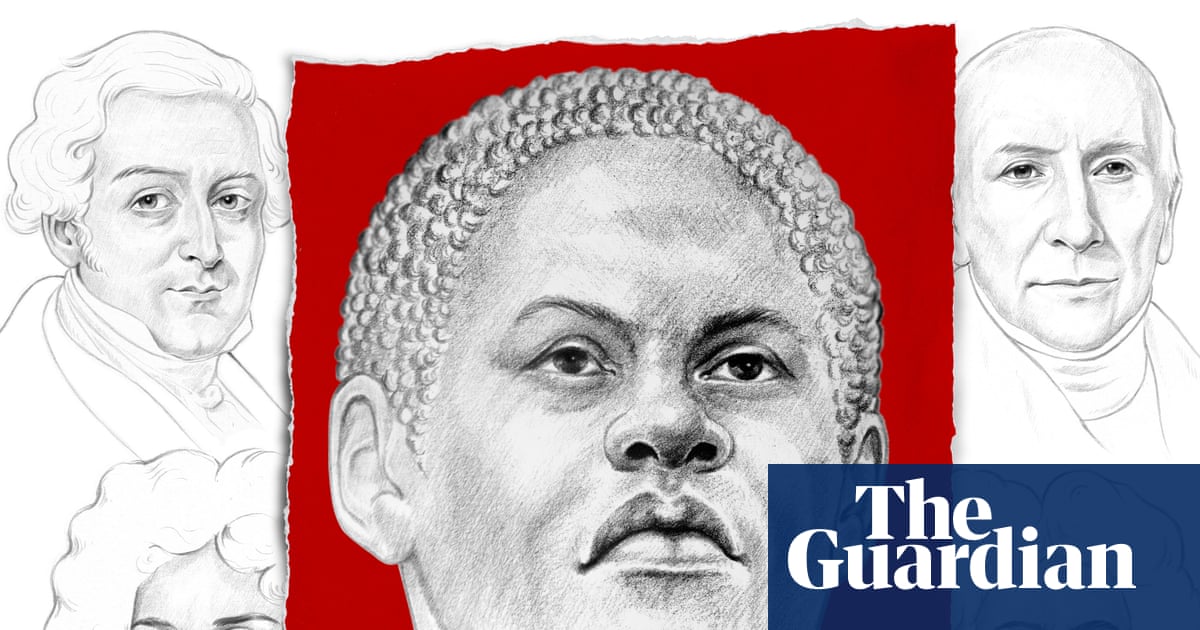
Prominent examples in the register include Sir Benjamin Bathurst, a Tory MP and RAC leader; Sir Robert Clayton, a Whig MP and RAC managing director; and Edward Colston, a Tory MP and shareholder in the company. Tory and Whig politicians also invested in the South Sea Company after its creation in 1711. In 1713, Queen Anne granted it an agreement to supply 4,800 enslaved Africans annually to Spain’s American colonies, with the RAC contracted to carry out the deliveries.
The Guardian says opposition to the trade later grew through campaigning by enslaved and formerly enslaved people, Quakers and independent MP William Wilberforce. Tory governments, in power almost continuously from 1783 to 1833, repeatedly delayed abolition, while Whigs generally moved towards supporting it. The newspaper reports that the slave trade was abolished in 1807 under a short-lived Whig-led coalition, while abolition of enslavement followed in 1833.
Liberal Democrat leader Ed Davey told The Guardian that “full transparency” was needed to confront Britain’s history. Conservative leader Kemi Badenoch responded to a UN declaration by saying Britain had led the fight to end slavery and should not pay reparations for a crime it helped eradicate, according to the report.