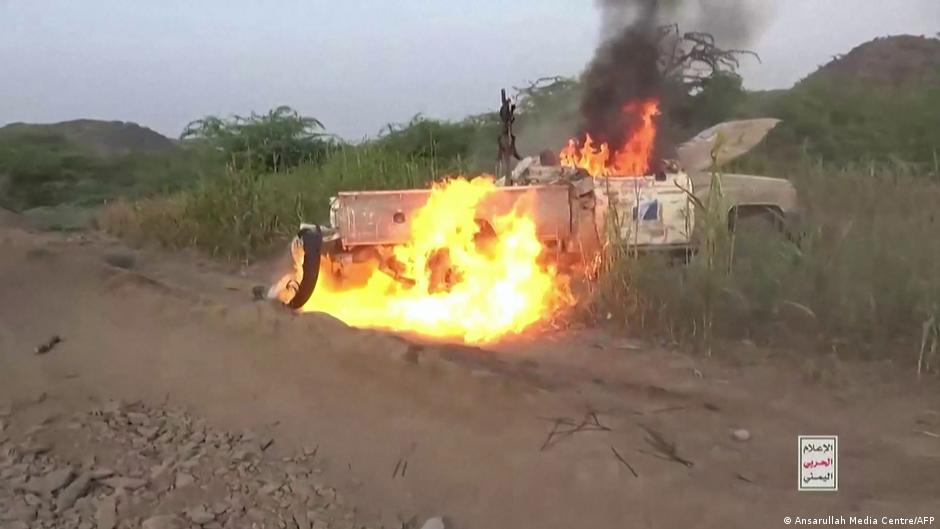
Saudi Arabia is facing mounting security and economic pressure as Iran-backed Houthi forces expand their campaign in Yemen and threaten routes used by the kingdom’s oil industry. According to DW, Houthi attacks on Saudi Arabia injured 13 people on Monday night, bringing the reported number injured since the conflict escalated in July to about 100.
The conflict has also affected Saudi oil-export options. In July, the Houthis blocked Saudi oil shipping through the Bab el-Mandeb Strait, a major waterway that had provided an alternative to the Strait of Hormuz. DW reported that the East-West pipeline, another route ending at the Red Sea port of Yanbu, was allegedly targeted by Iranian proxy militias in Iraq, with officials saying repairs could take weeks.
Neil Quilliam of Chatham House told DW that Riyadh faced a “genuine dilemma” as Crown Prince Mohammed bin Salman sought to protect national security while pursuing economic development. Saudi Arabia has a powerful military, particularly in combat aviation and air defense, but Quilliam said it was reluctant to become involved again in a costly military campaign after its coalition intervened in Yemen in 2015. Fighting eased in 2022 under a United Nations-brokered truce, although blockades on Houthi-held areas were not fully lifted.
Sebastian Sons of the German Middle East Research Center said Saudi Arabia needed to signal that a red line had been crossed while keeping communication open for negotiations and de-escalation. The latest Houthi offensive, including reported advances around southern Yemeni ports and Perim Island, has increased concerns about disruption to global trade. DW cited Kpler data showing that only 21 commodity vessels used the Bab el-Mandeb on Monday, compared with the waterway’s pre-crisis role in handling roughly 30% of global container traffic.
Saudi Arabia is also seeking outside support. Three sources told Reuters, as reported by DW, that Mohammed bin Salman asked US President Donald Trump for military assistance, but received an offer of intelligence support instead. The Mecca Joint Defense Agreement with Turkey and Pakistan has not been activated, while Pakistan has been reluctant to enter the conflict directly.
The pressure comes as Riyadh pursues Vision 2030, its economic diversification program. Quilliam said investor confidence, tourism and planned events including Expo 2030 and the 2034 FIFA World Cup depend on stability. DW also reported claims by Saudi rights organization ALQST that authorities are intensifying restrictions on critics of foreign policy, alongside its account of high execution figures; these claims were presented by the organization and were not independently verified in the supplied material.