Schools adopt AI tools despite limited evidence and uneven policy
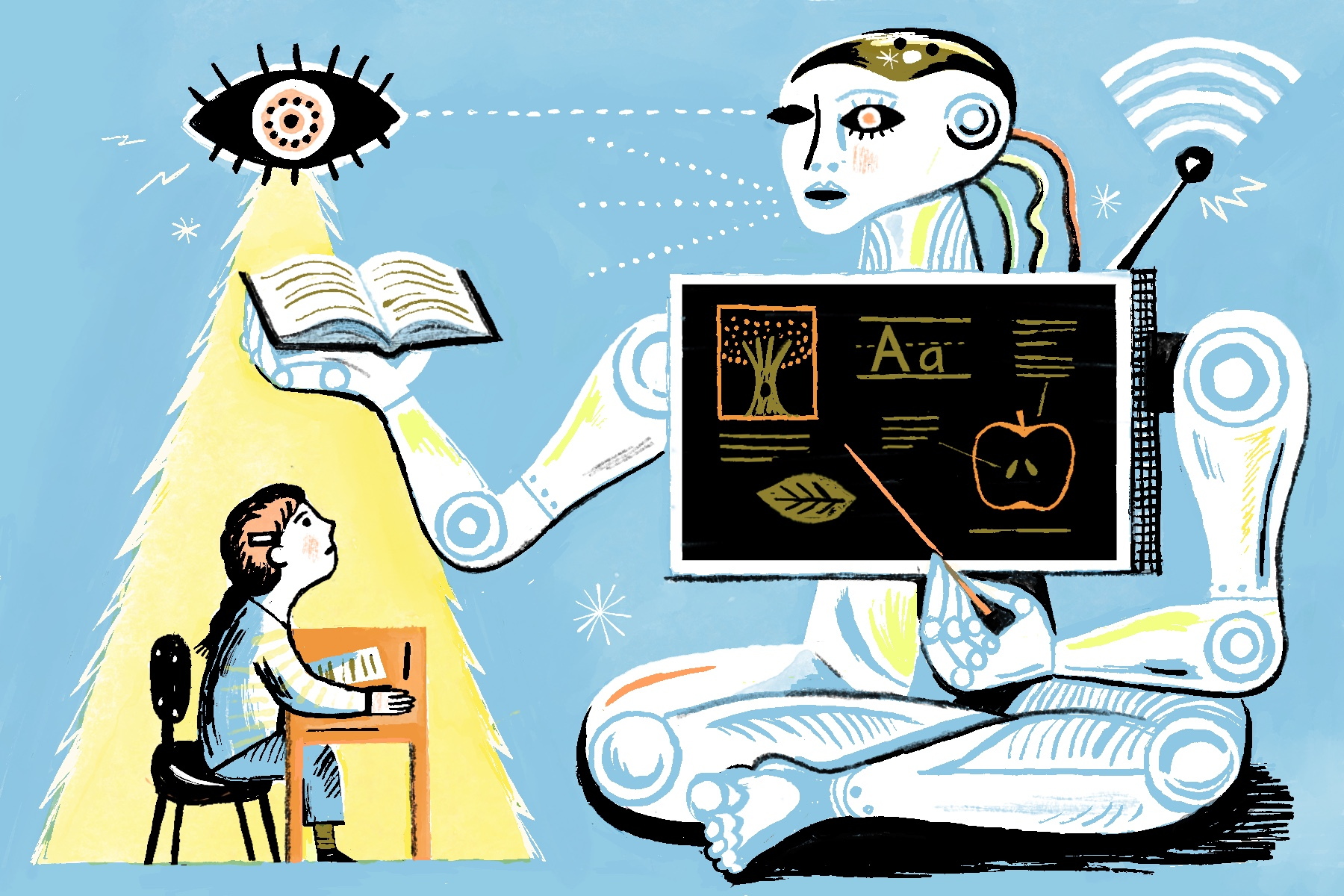
Teachers are using artificial intelligence to prepare lesson plans, while some school districts are giving students chatbot-generated feedback. The available research on educational benefits remains extremely limited, and the supplied report says schools are experimenting without enough evidence or clear policy guidance.
Schools are experimenting with artificial intelligence in classrooms even though research on how the technology helps students remains extremely limited, according to the supplied report. Teachers are using AI tools to develop lesson plans. In some districts, chatbots are also being used to give students feedback on their work.
The report does not identify the districts involved, name the AI systems being used or describe how frequently teachers and students rely on them. It also provides no figures on the number of schools experimenting with the technology. The central concern identified in the material is the gap between adoption and evidence.
Schools are introducing tools that can shape lesson preparation and student feedback, but there is little research available to establish whether those uses improve learning. The report also indicates that policy has not kept pace with experimentation. It does not specify which rules are missing or whether districts have adopted guidance on issues such as accuracy, privacy, academic honesty or teacher oversight.
The use of chatbots to comment on student work could affect how pupils receive and respond to assessments, but the source material does not provide examples of the feedback or discuss its quality. Similarly, the report does not say whether AI-generated lesson plans are reviewed by teachers before being used, or whether schools have measured differences in student outcomes. The available information supports a clear description of a developing practice rather than a conclusion about its educational value.
Teachers and districts are using AI in limited reported ways, while the research base and policy framework remain underdeveloped. No specific school, teacher, student, researcher or education authority was named in the supplied material. Further evidence would therefore be needed to assess the effectiveness, risks or scale of the experiments.
This independently written report is based on information supplied by the named publisher. Vertrix News has not independently verified the source report.