Scientists develop canine DNA database to aid crime investigations
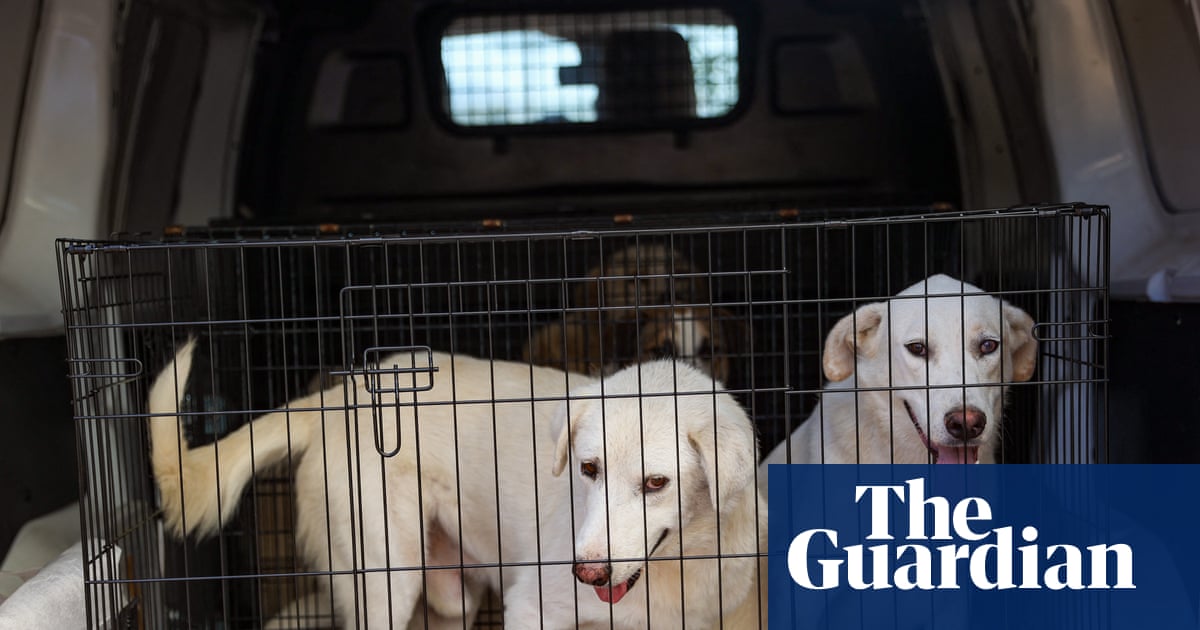
Experts are working on a database of canine DNA that could help investigators identify breeds involved in crimes or exclude individual dogs as suspects. The Guardian reports that hair, saliva and other dog material can be found at crime scenes, but such evidence is not always fully investigated.
Experts are working on a database of canine DNA that could provide police with new leads in criminal investigations, The Guardian reports. The database could help identify particular breeds involved in crimes or rule out dogs as suspects, according to the report. The approach would use biological material left by dogs, including hair and saliva.
Such material may be found at crime scenes or on people connected with incidents. Scientists involved in the work say canine evidence is often not fully investigated, despite the potential information it may contain. The project is described as an effort to make better use of dog-related material during investigations.
The supplied report does not say how many samples the database contains, where it is being developed or when it might become available to police. It also provides no details about the scientists involved, the methods used to collect the DNA or any criminal cases in which the database has already been used. The report compares the proposed application with other established police uses of dogs, such as tracking criminals and detecting drugs.
This independently written report is based on information supplied by the named publisher. Vertrix News has not independently verified the source report.