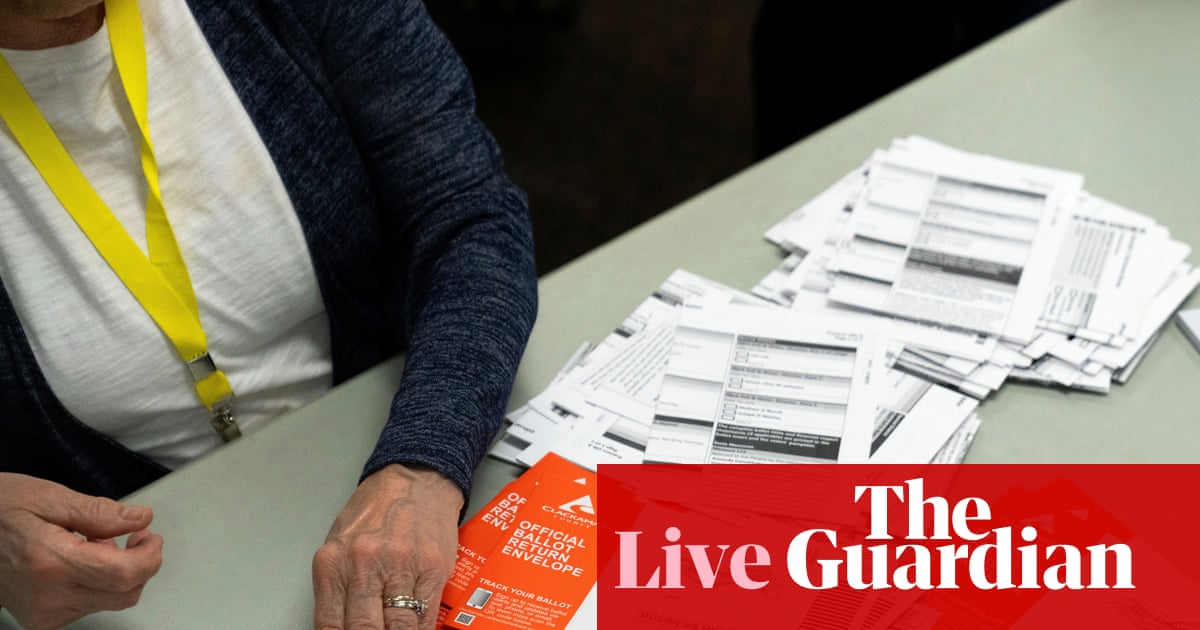
The US supreme court has rejected the Trump administration’s request to put new US Postal Service restrictions on mail voting into effect during the 2026 midterm elections, according to The Guardian. The decision leaves in place a lower-court order blocking the rules and allows states to continue sending mail ballots without complying with the additional requirements.
The Postal Service had sought to implement the restrictions in response to an executive order from Donald Trump. The source says Trump has repeatedly alleged, without evidence, that voting by mail is affected by widespread fraud. The challenged rule would have restricted the delivery of mail ballots during an election cycle that has already begun.
The court denied the administration’s application to lift the lower court’s preliminary injunction. Its brief, unsigned ruling said, “The Government is unlikely to succeed on the merits of its challenge to the District Court’s preliminary injunction,” and added that the factors relevant to emergency relief did not favor suspending the injunction.
The ruling recorded dissents from conservative Justices Samuel Alito and Clarence Thomas. In an eight-page dissent, Alito argued that the government was likely to succeed in its appeal. Justice Brett Kavanaugh wrote separately that he agreed the restrictions should not take effect for the midterms, while indicating that his position could differ in later proceedings.
The decision drew praise from voting-rights advocates and Democrats cited by The Guardian. California Representative Robert Garcia said the court had protected Americans’ right to vote, while Kristen Clarke, general counsel of the NAACP, called the ruling a victory for voters and said it preserved a route to participation in the elections. Their statements characterized the proposed restrictions as an effort to make voting harder, claims presented as their views.
The source also reports a separate debate over artificial-intelligence policy. Former President Barack Obama called for development to slow long enough for federal regulators to address safety, employment and other concerns, arguing that voluntary standards from technology companies would not be sufficient. Trump, meanwhile, described opposition to AI and data centers as a “SICK conspiracy” in a social-media post, but the source says he did not identify concrete examples of measures his administration had taken to prevent abuses.